
Teaching Philosophy
My teaching philosophy centers on experimentation, play, and purposeful disruption. I believe the best learning happens when students are curious, slightly uncomfortable, and actively making things. Design education should not be passive or precious. It should be exploratory, hands-on, and occasionally weird. I blend emerging technologies, interactive experiences, and unconventional tools to help students break out of rigid thinking and approach problems creatively.
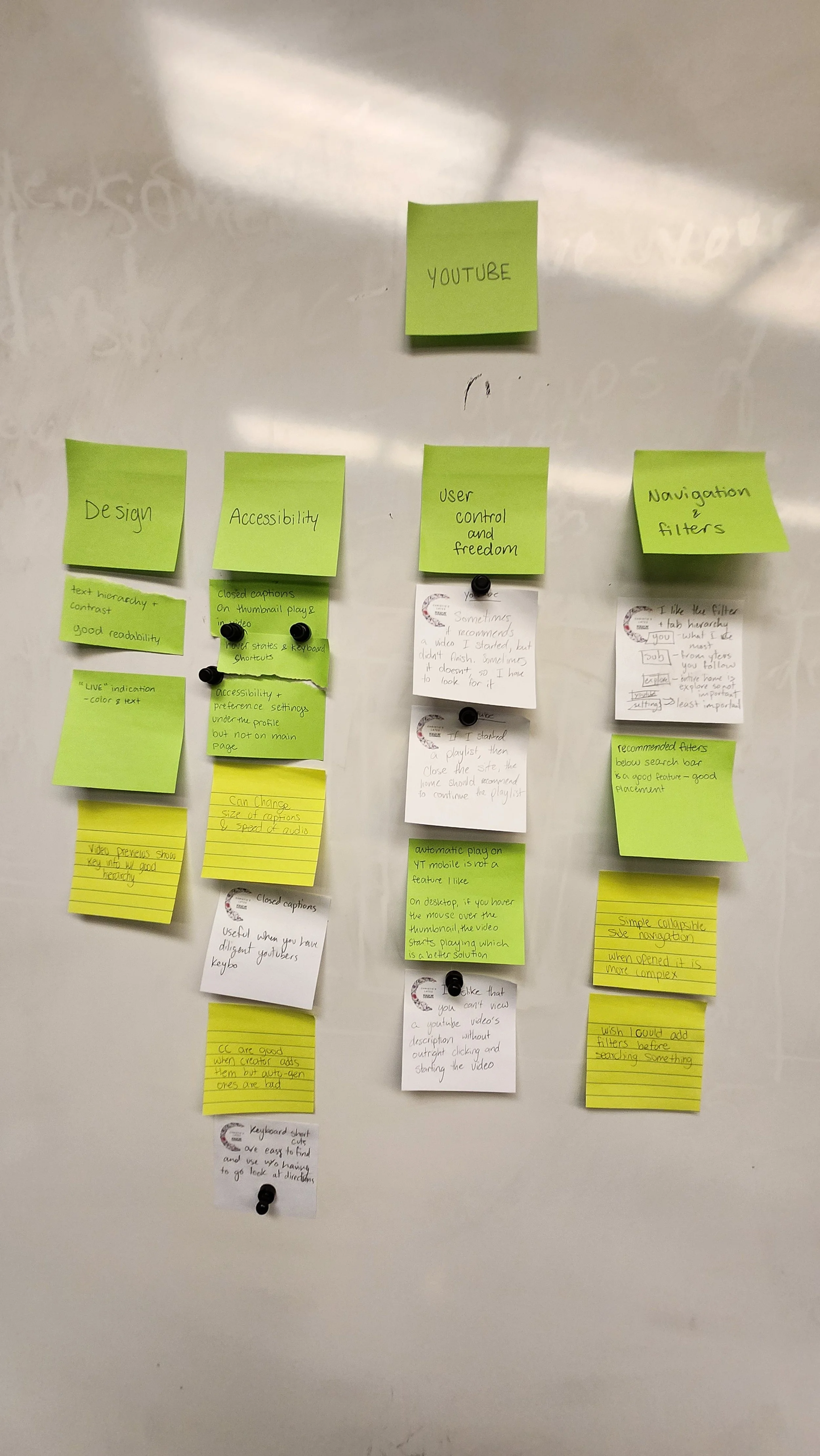
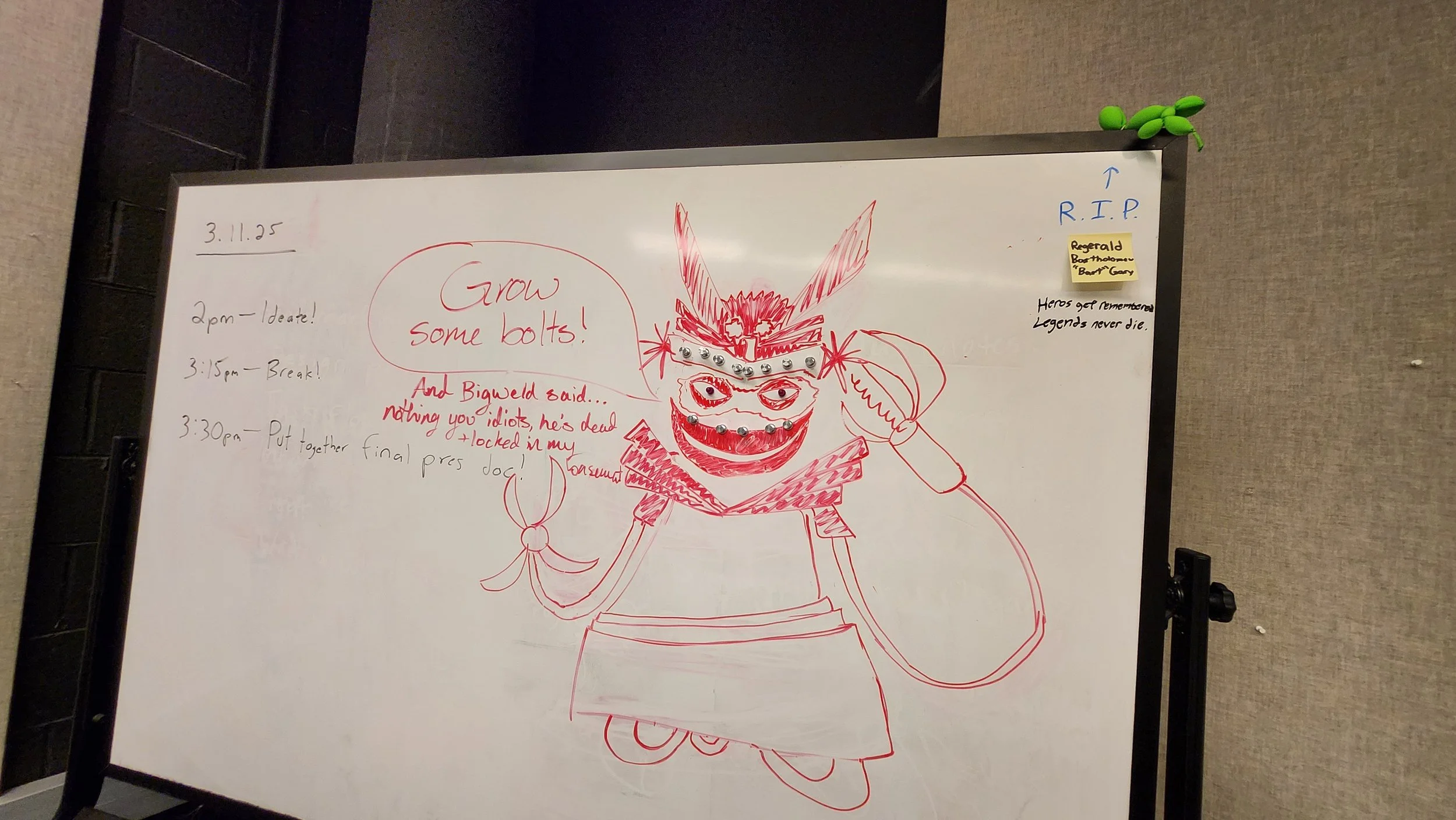
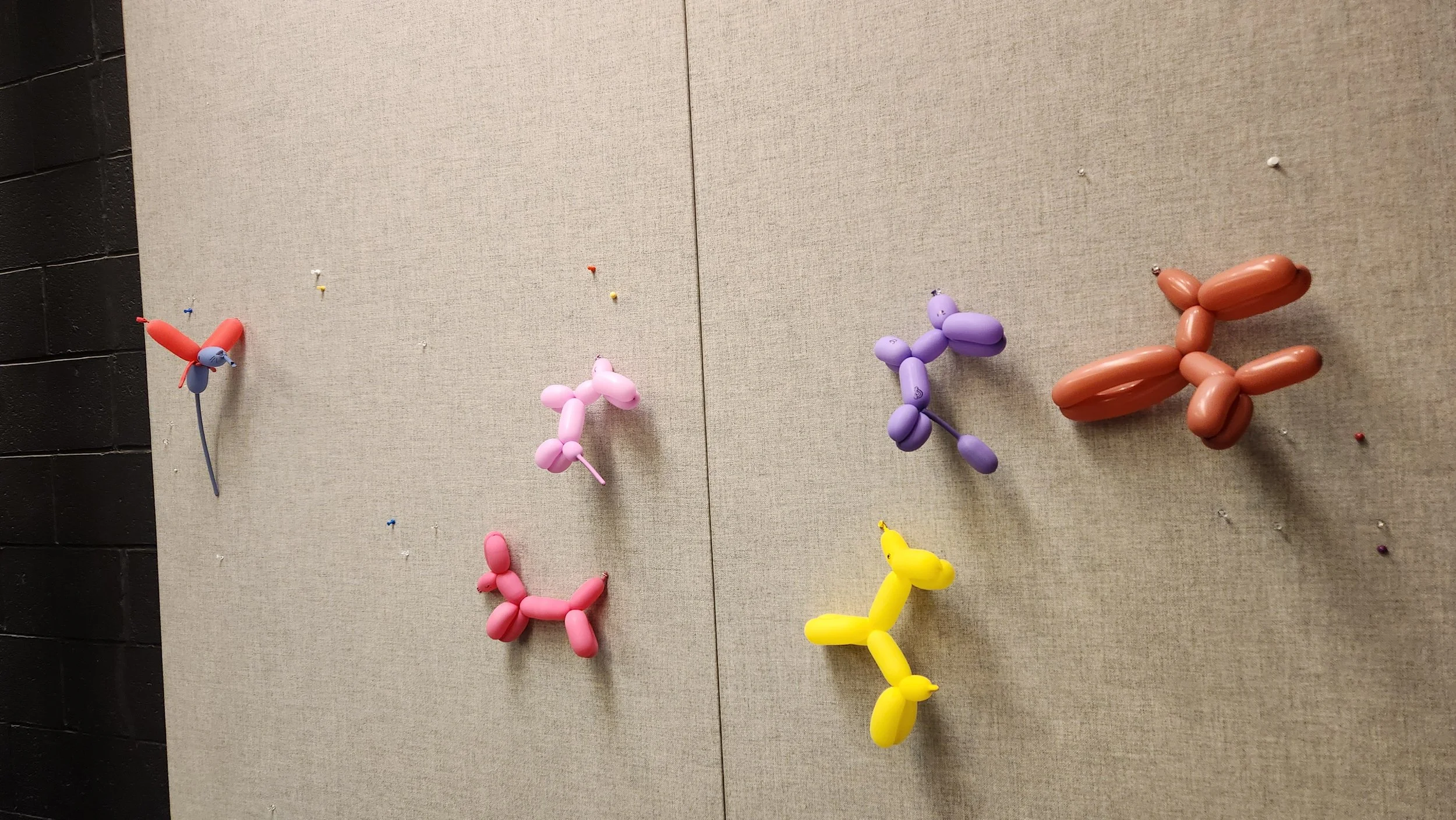
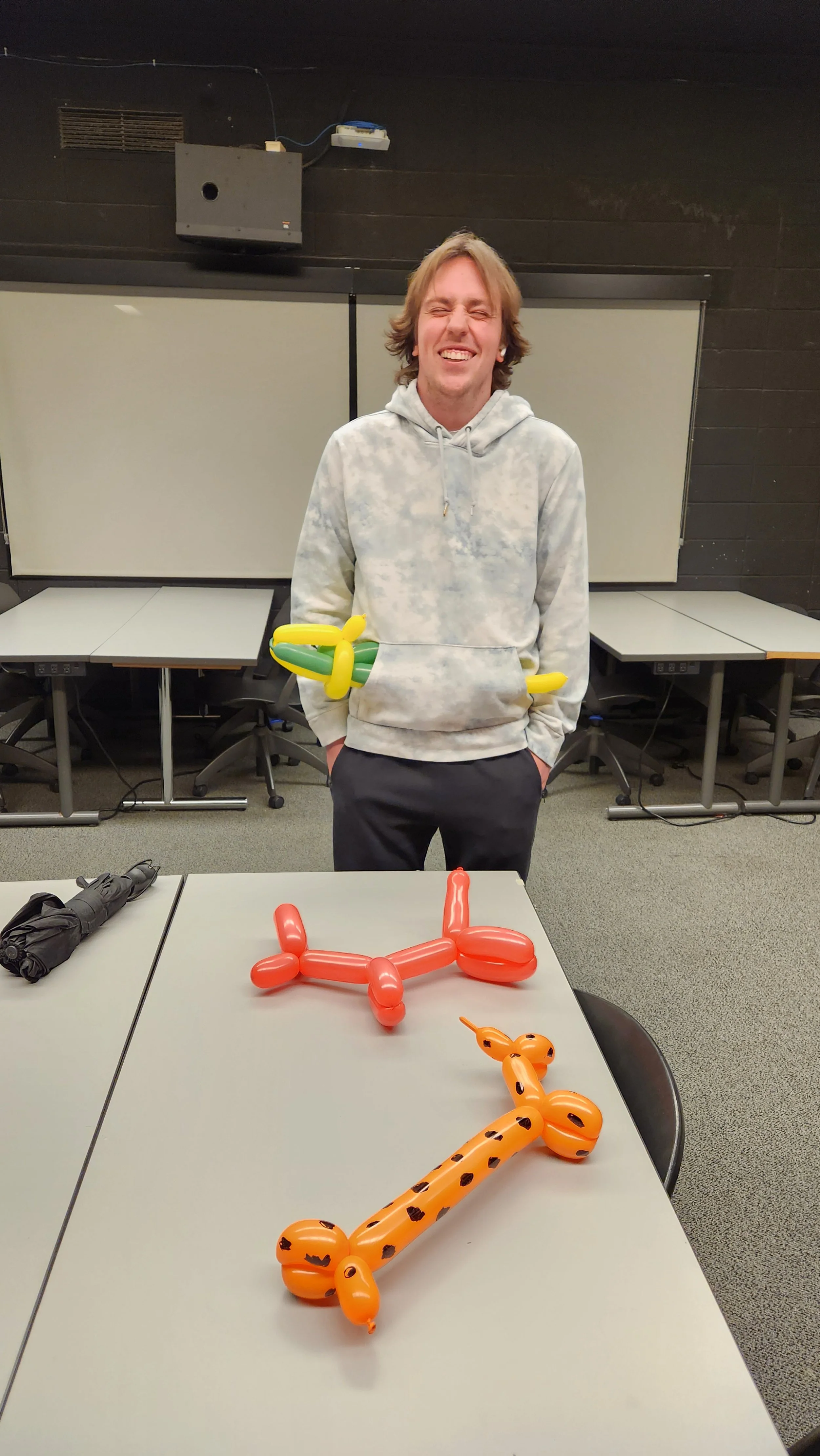
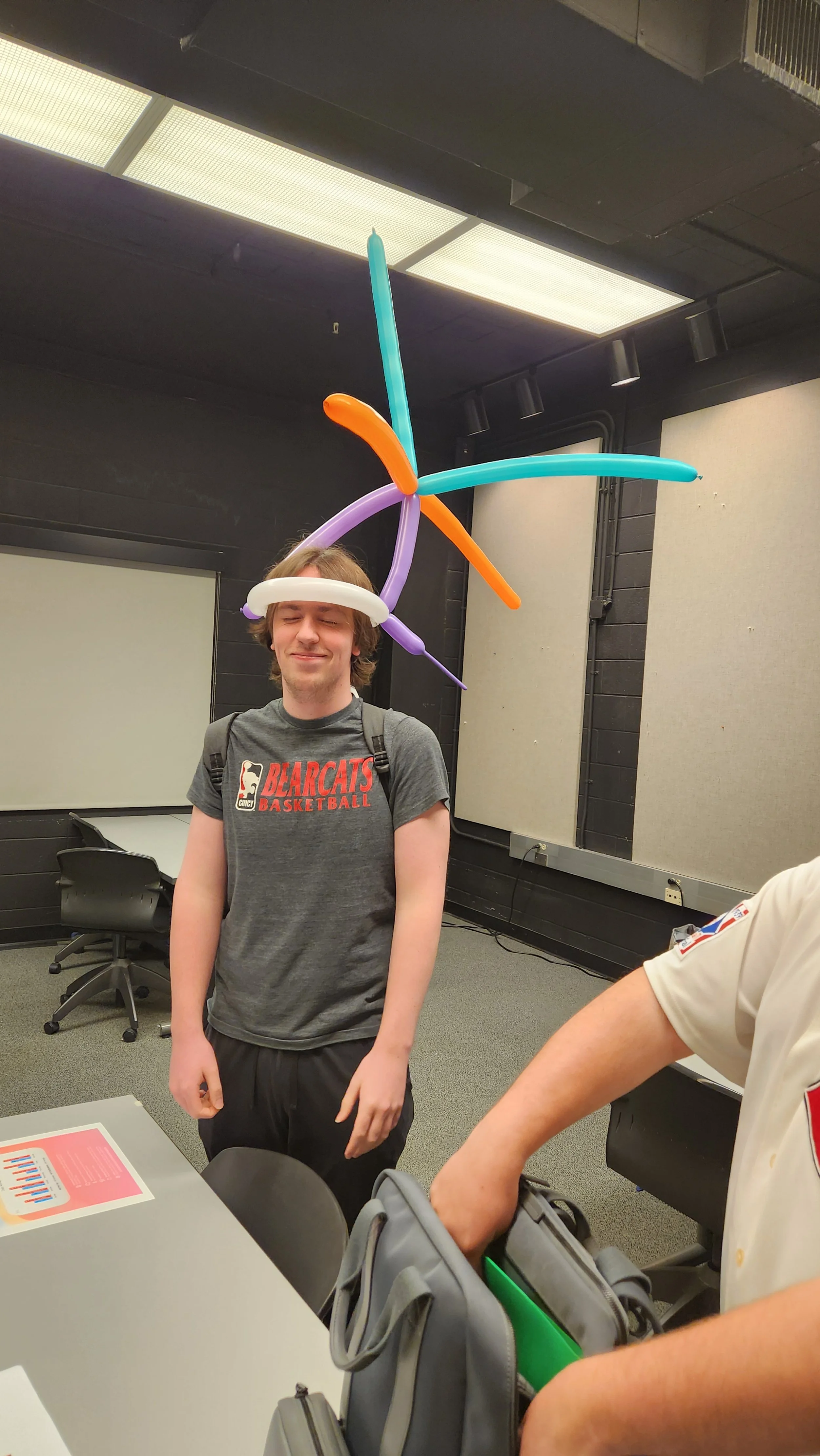
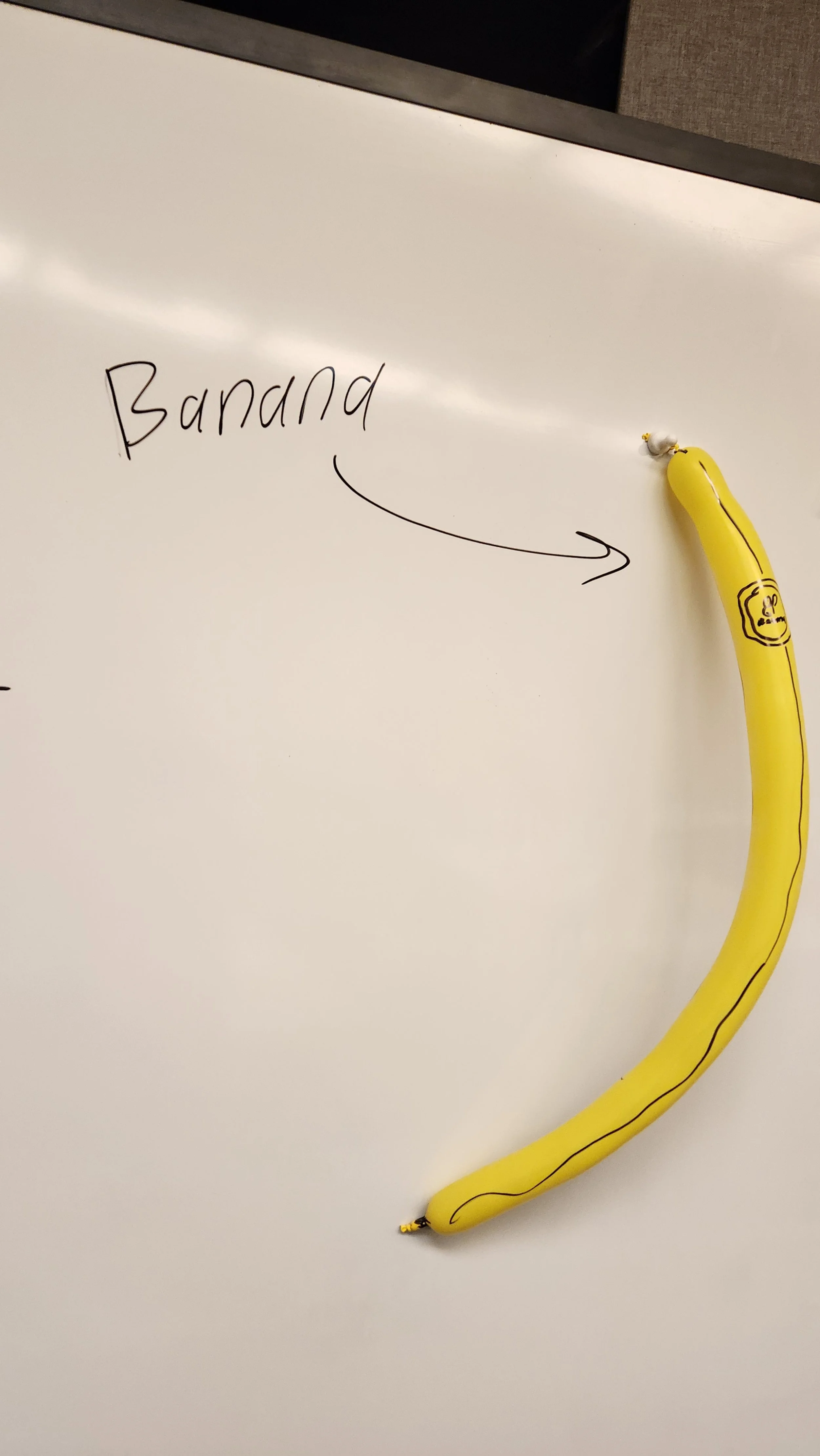
In my classroom, AI is a creative collaborator and a critical thinking tool, not a shortcut. Students learn to question it, challenge it, and use it responsibly to extend their ideas. Alongside digital tools, I incorporate tactile, low-tech, and playful methods—whether it be rapid prototyping or making balloon animals—to emphasize that creativity lives beyond the screen, that play builds confidence, insight, and originality.
I prioritize risk, collaboration, and iteration over perfection. Students are encouraged to fail early, learn from one another, and develop their own voices through open-ended assignments. Accessibility and flexibility are central to my approach, ensuring students are supported while being challenged to grow.
Ultimately, I want students to leave my courses with more than stellar portfolios. I want them to see design as a powerful force for innovative communication, and to trust their ability to create with confidence.
Teaching Methods
Absurdist brainstorming (e.g., WVP [worst viable product] brainstorming, etc.)
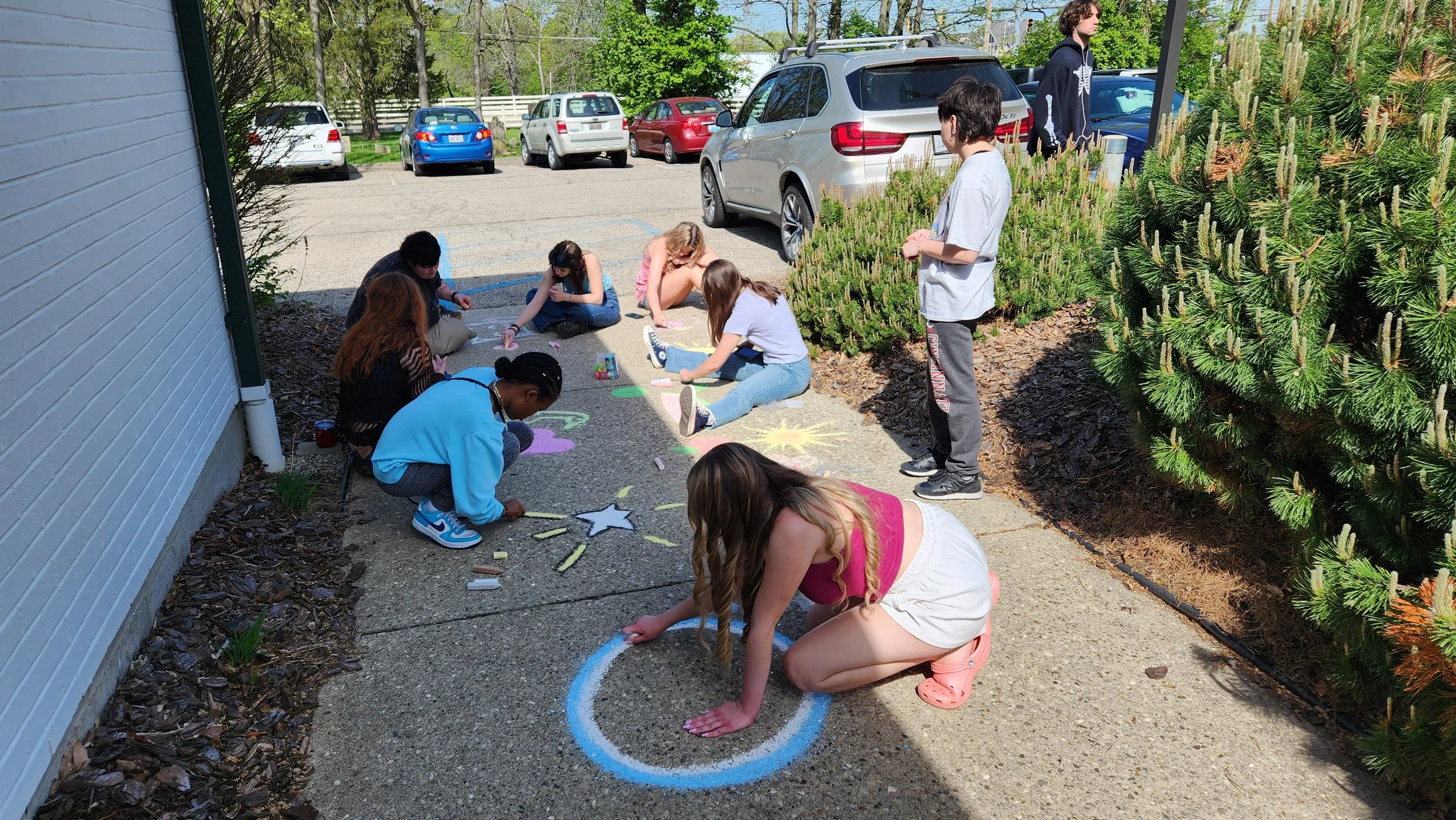
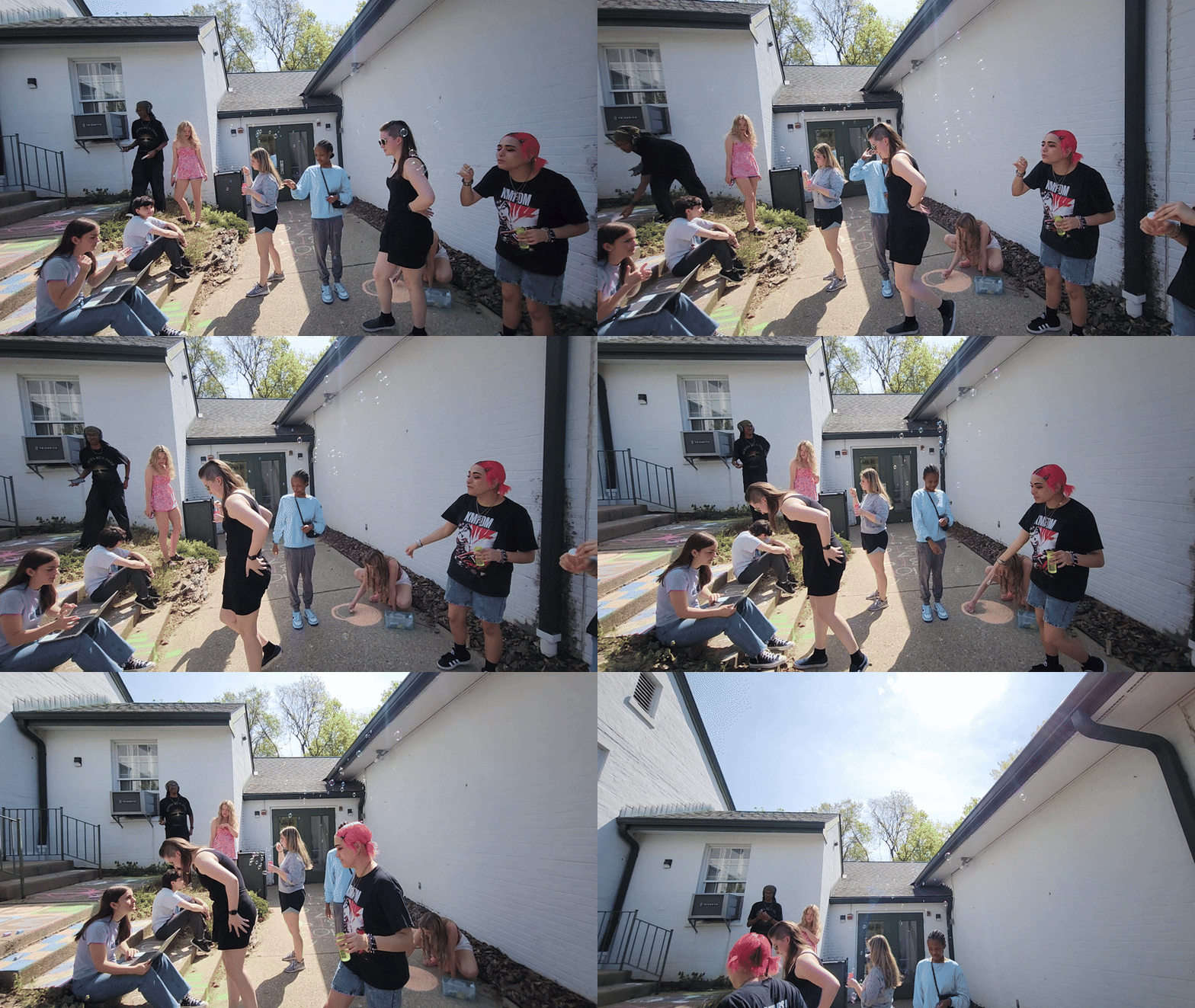
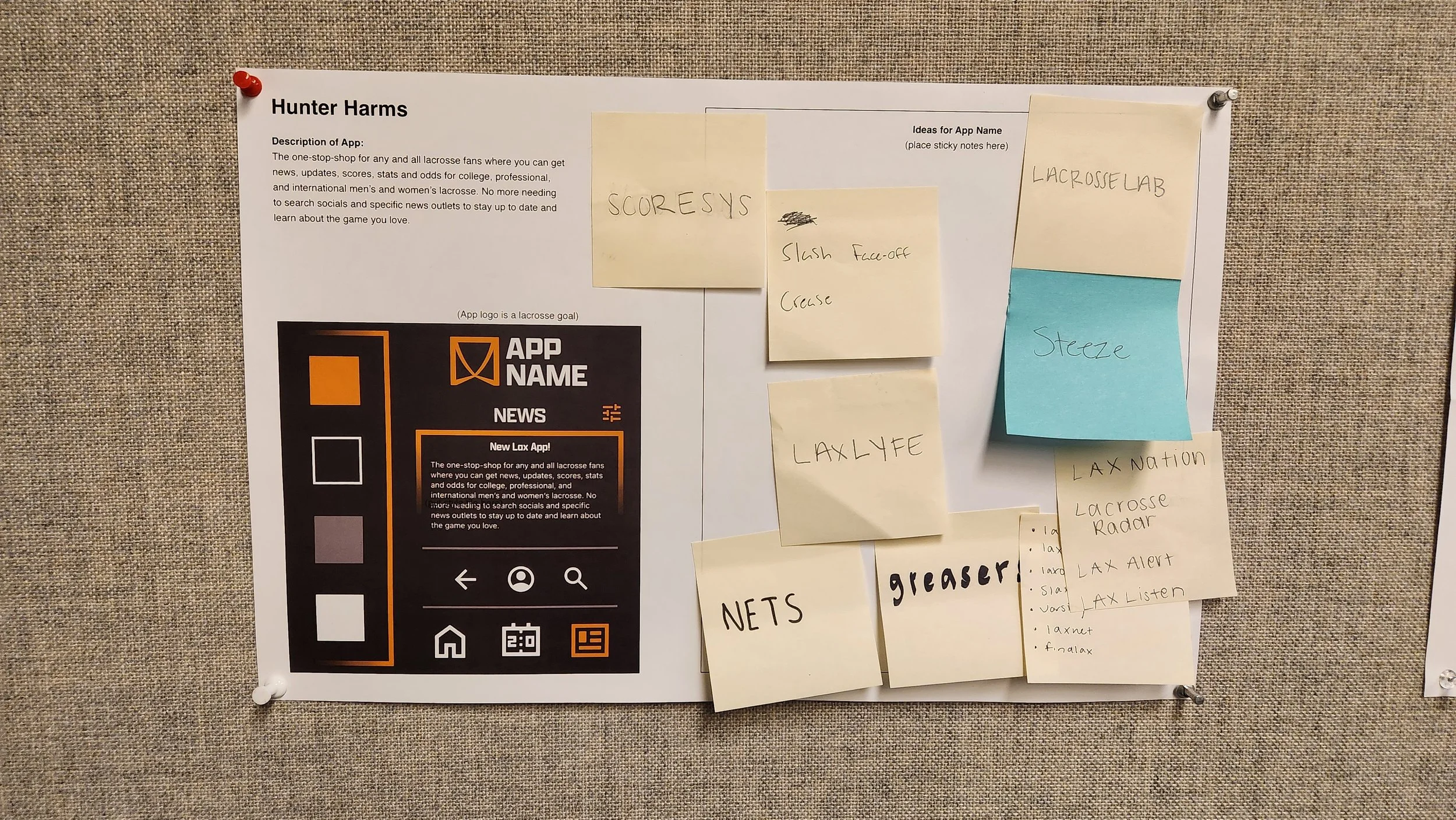
Avant-garde ideation (e.g., blind contour drawing, outdoor rainy day [waterproof sticky note] ideation, wrong-hand drawing, etc.)
Dadaist worksheets
Flipped classroom
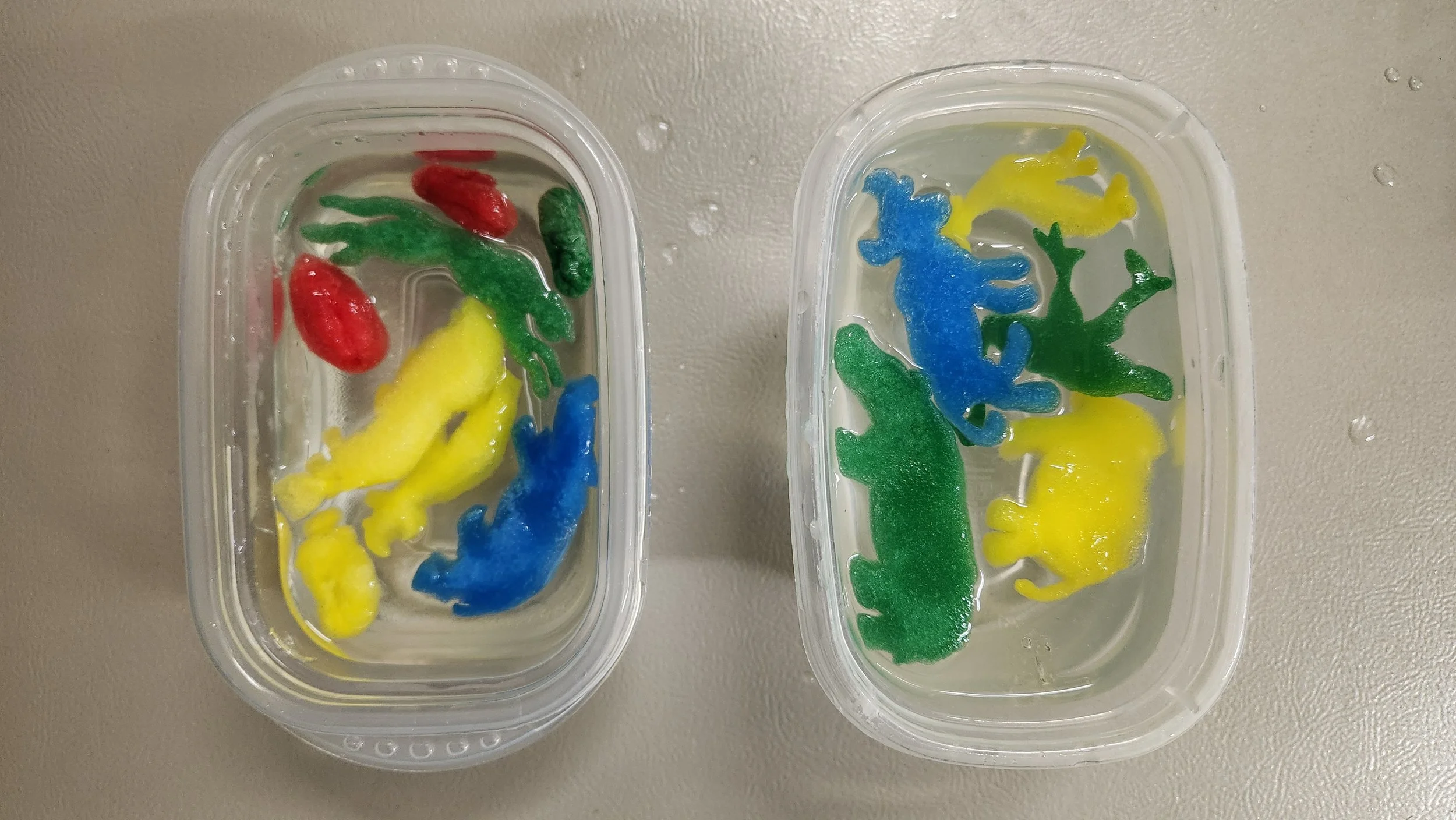
Gamified learning (e.g., vocab 'sticky toy target' Jeopardy, etc.)
Project-based learning
Unique critiques (e.g., distraction critique, opposite day critique, prop-based critique, upside-down critique, etc.)
What Students Have to Say
For student opinions, feel free to check out my RateMyProfessor profile.
Teaching Experience
Instructor: (various summer camps, descriptions coming soon) - Kennedy Heights Arts Center, 2027
Instructor: (various classes, descriptions coming soon) - The Barn | Woman's Art Club Cultural Center, 2027
Coach: Beginner's Unicycling - My Nose Turns Red Youth Circus, 2026
Speaker: “Start With the Dumbest Idea: A Case for Productive Weirdness” - Seattle Interactive Conference, 2026
Guest Lecturer: Drawing - St. Xavier High School, 2026
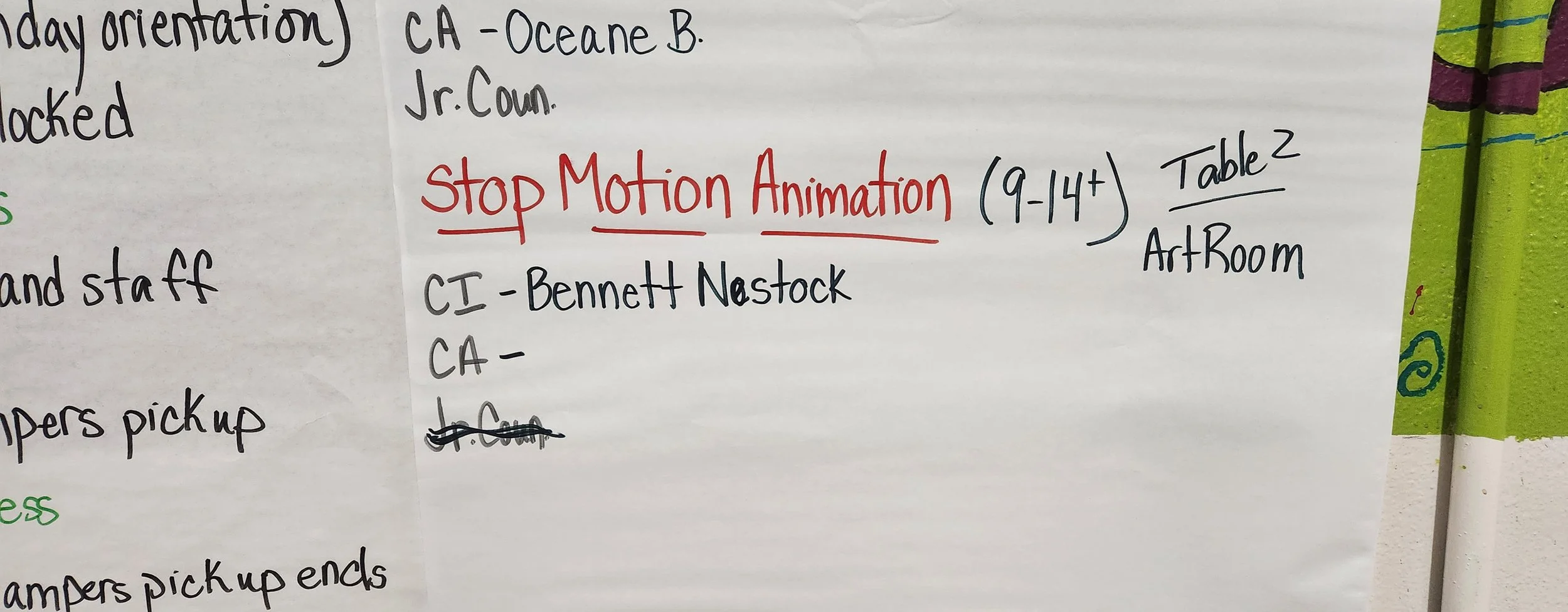
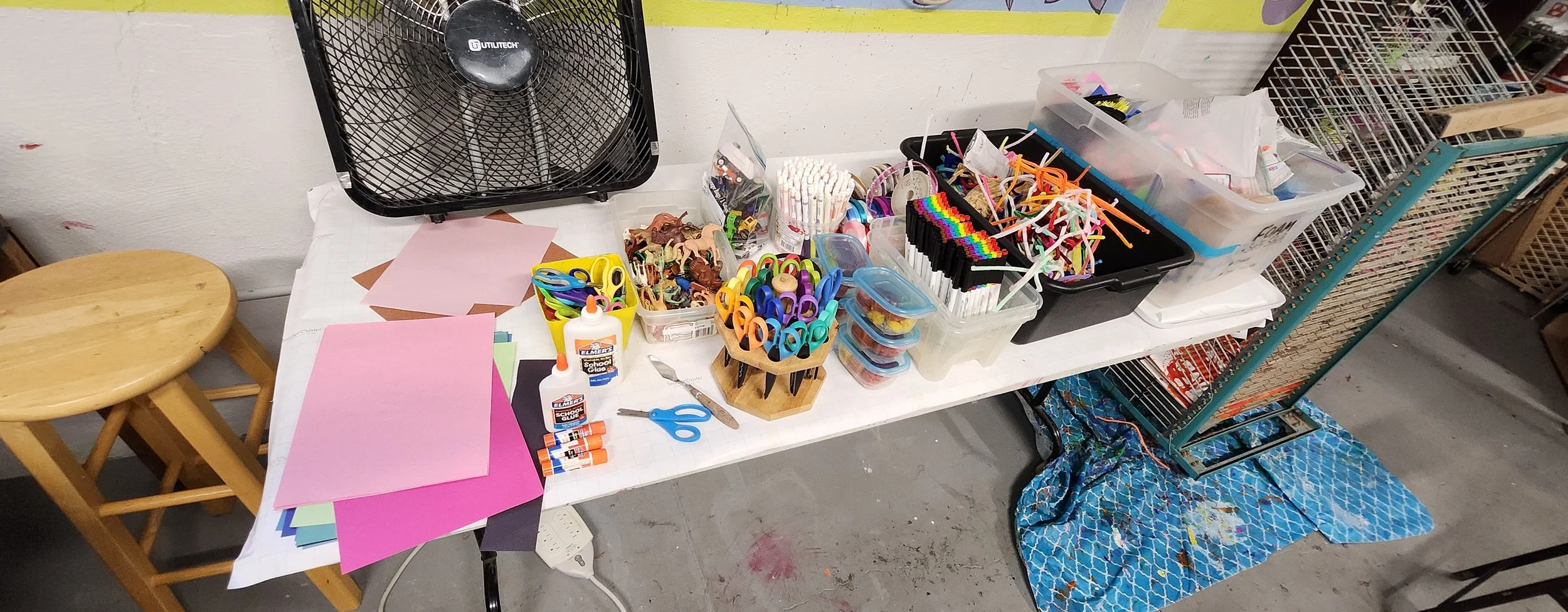
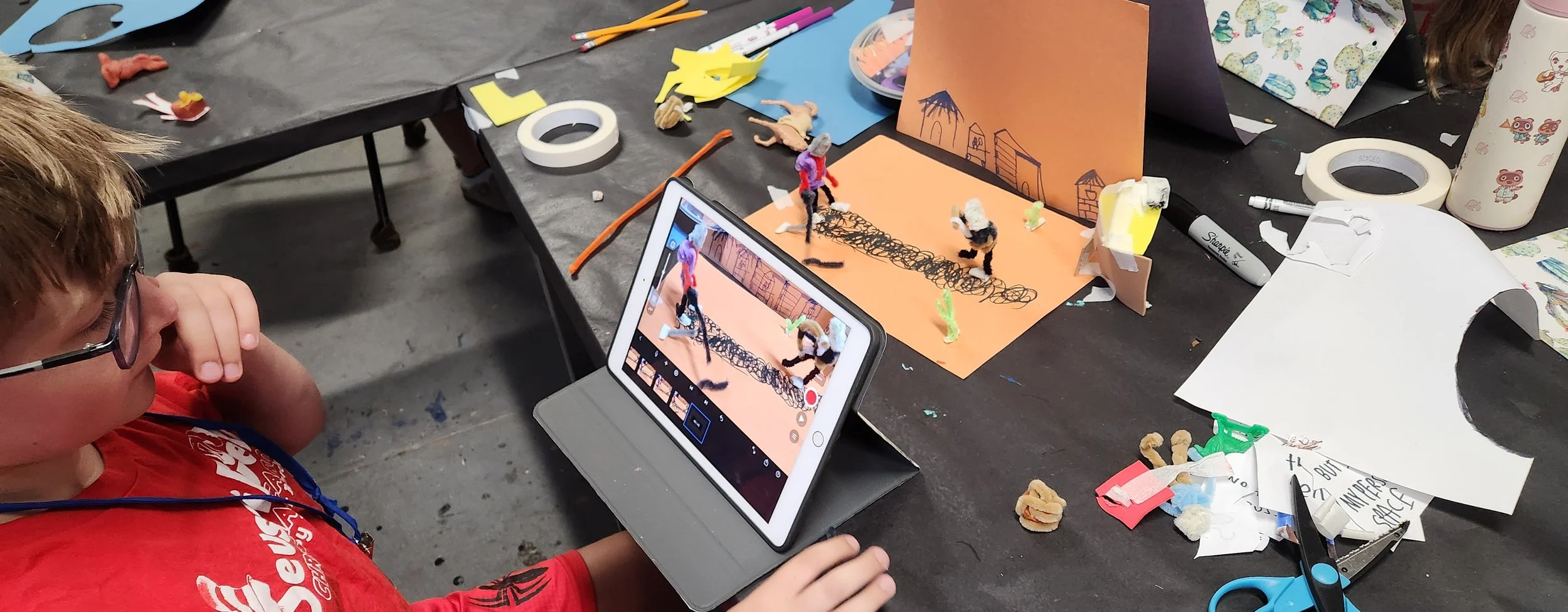
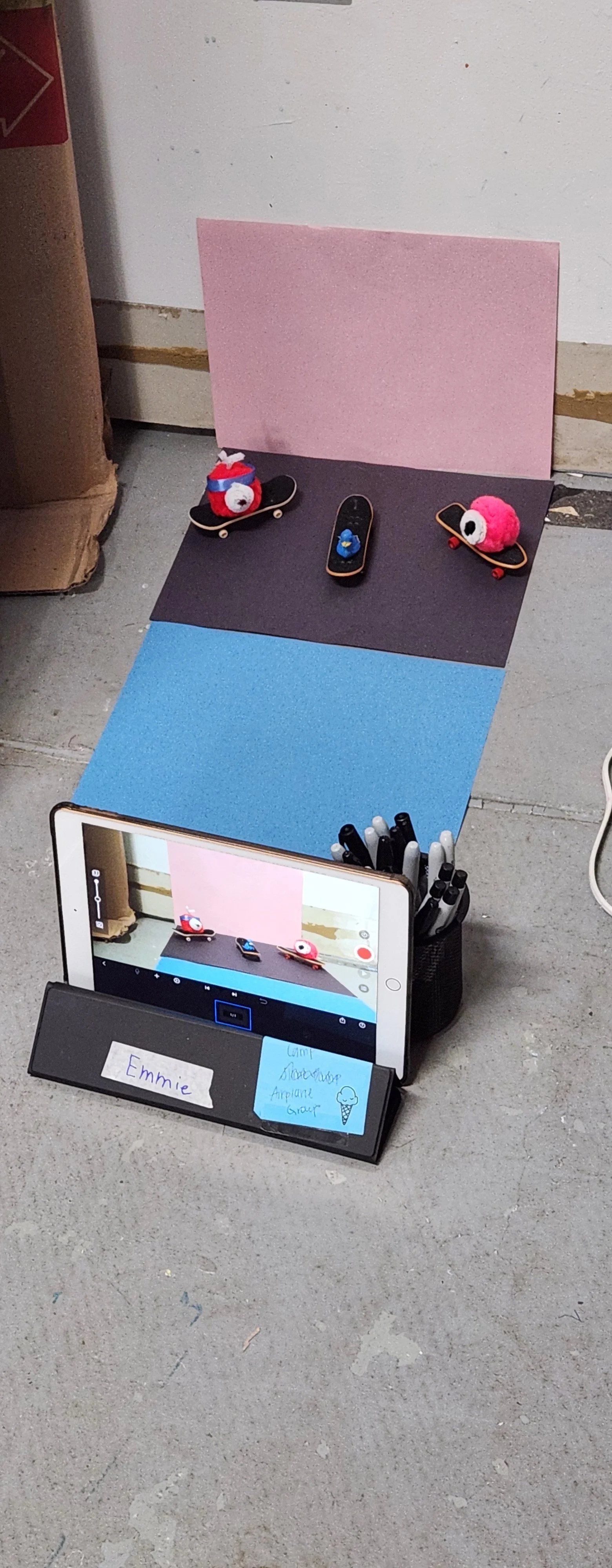
Instructor: Stop Motion Animation Summer Camp - Wyoming Fine Arts Center, 2026
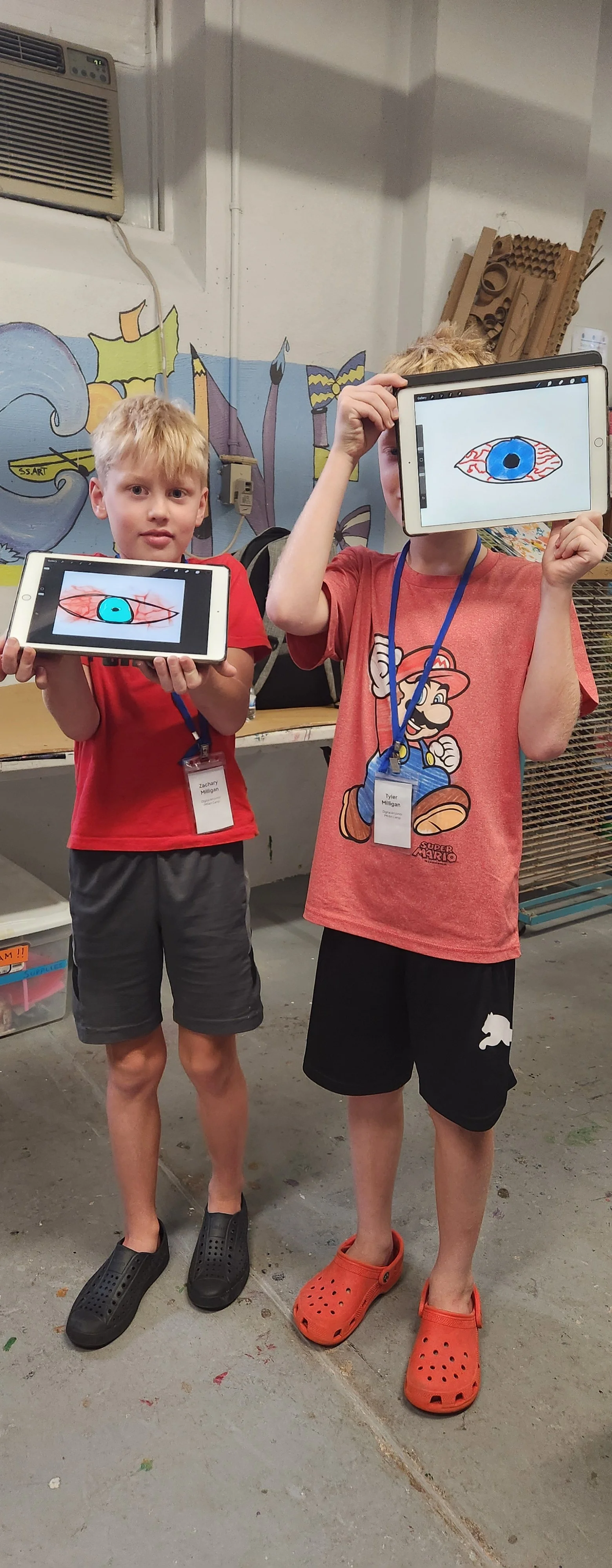
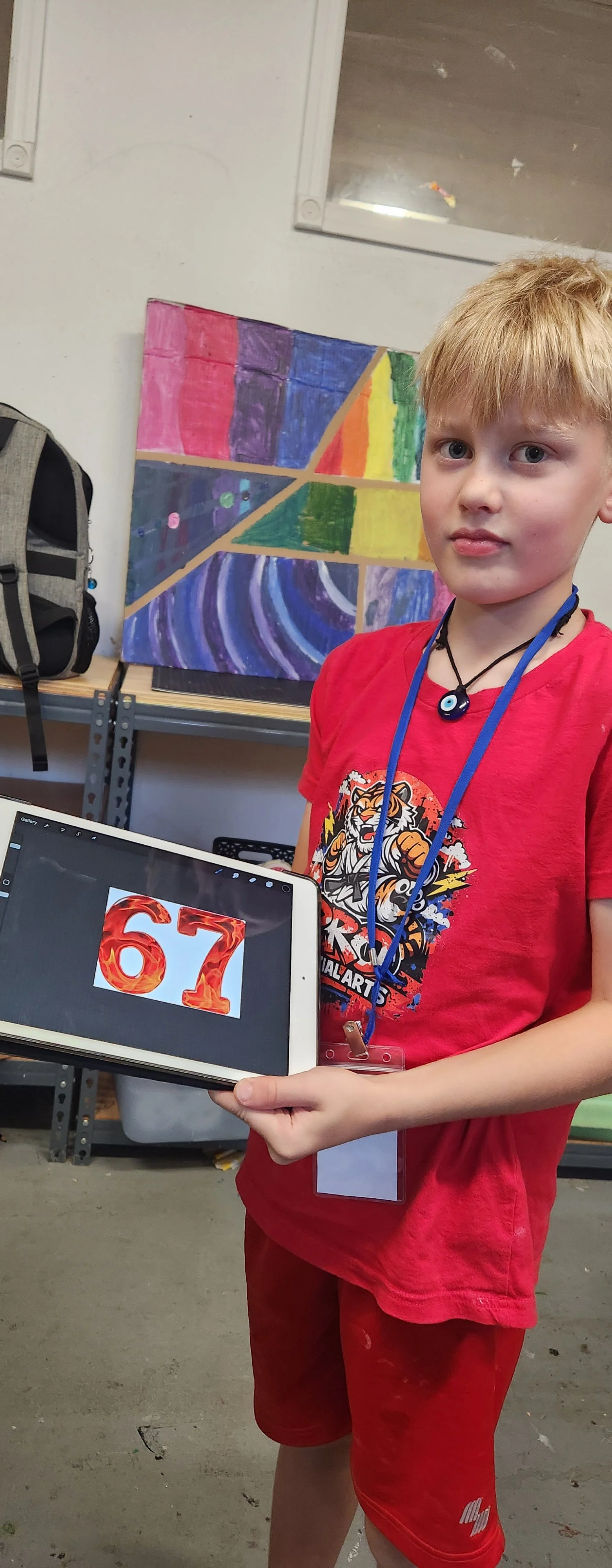
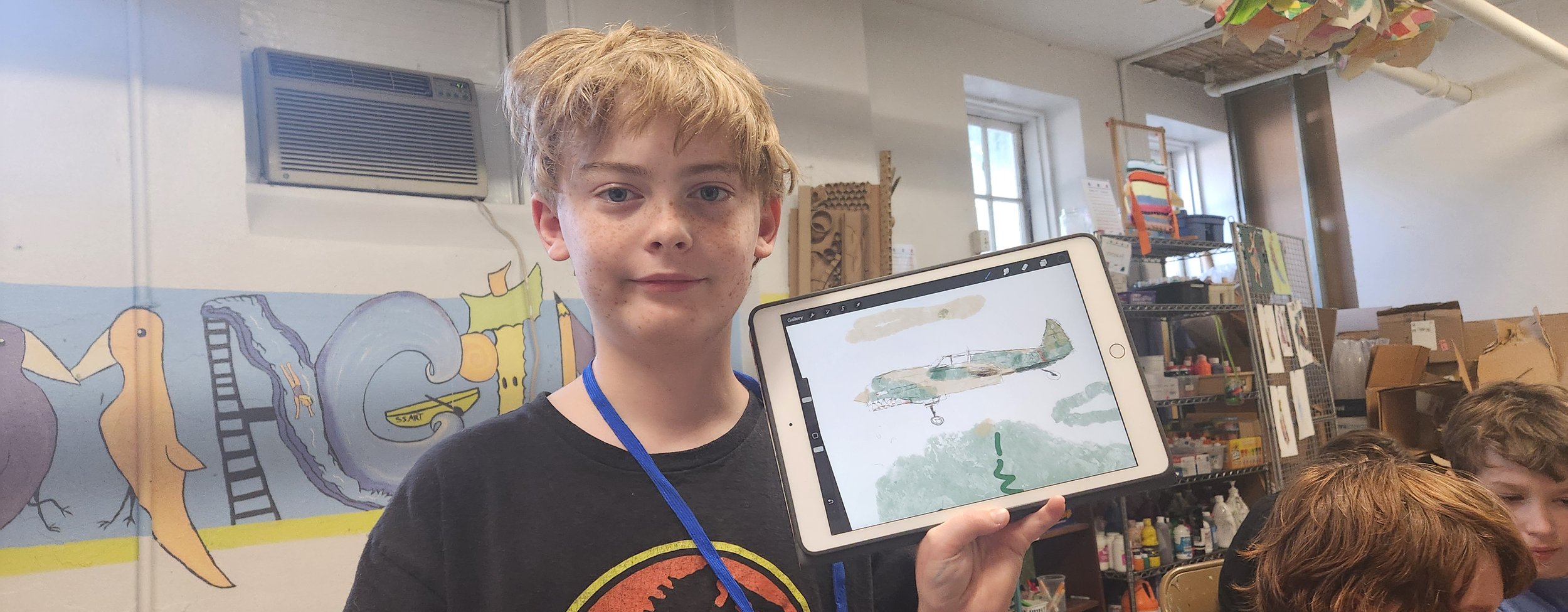
Instructor: Digital Art Summer Camp - Wyoming Fine Arts Center, 2026
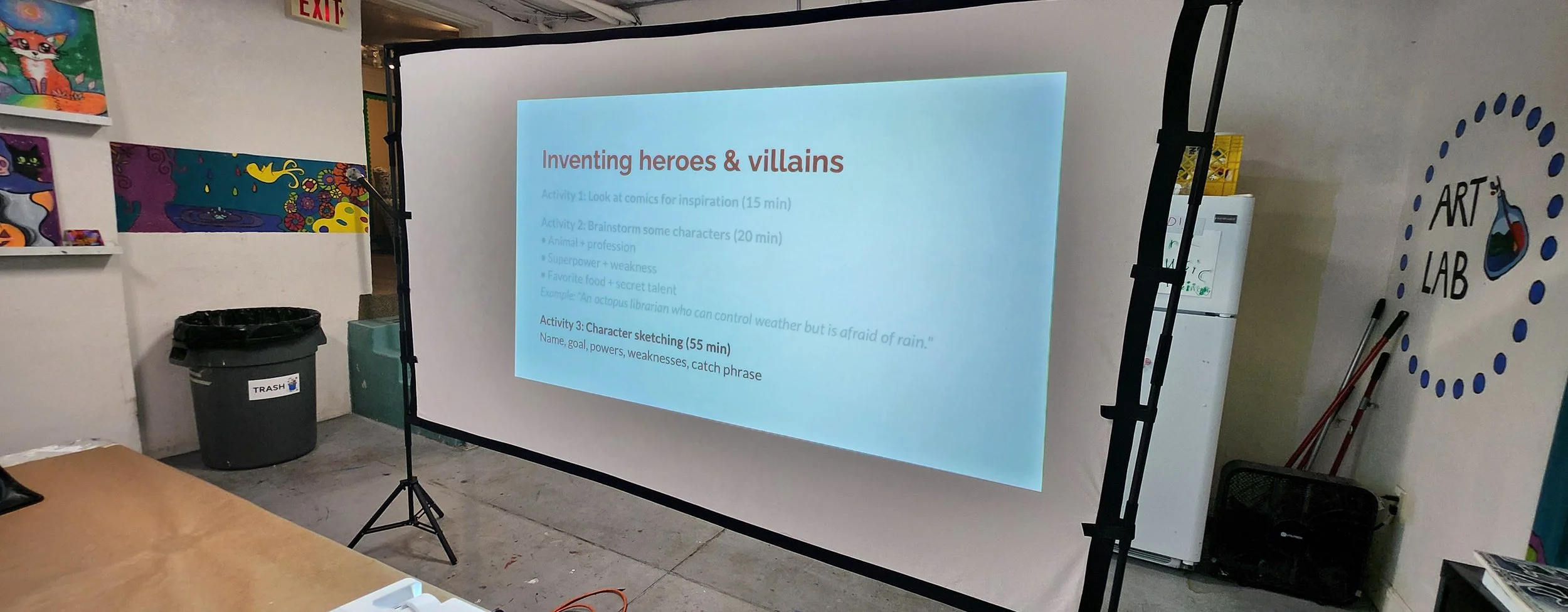
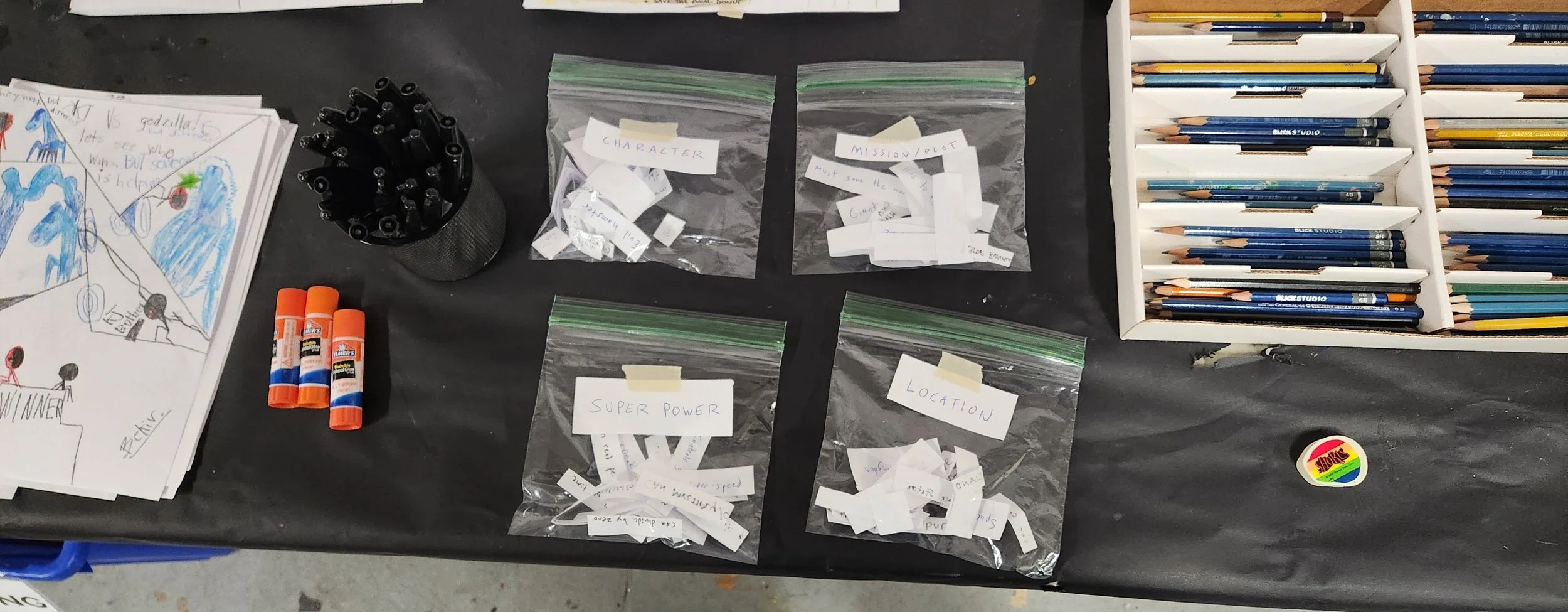
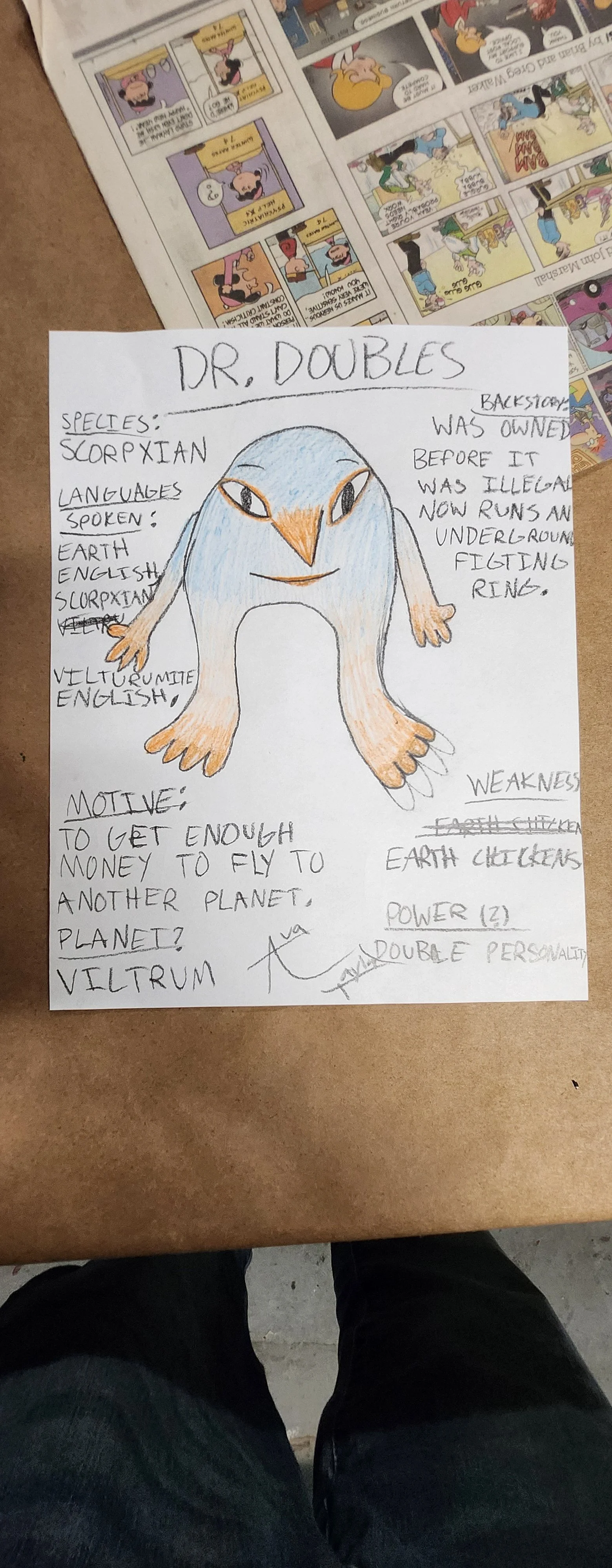
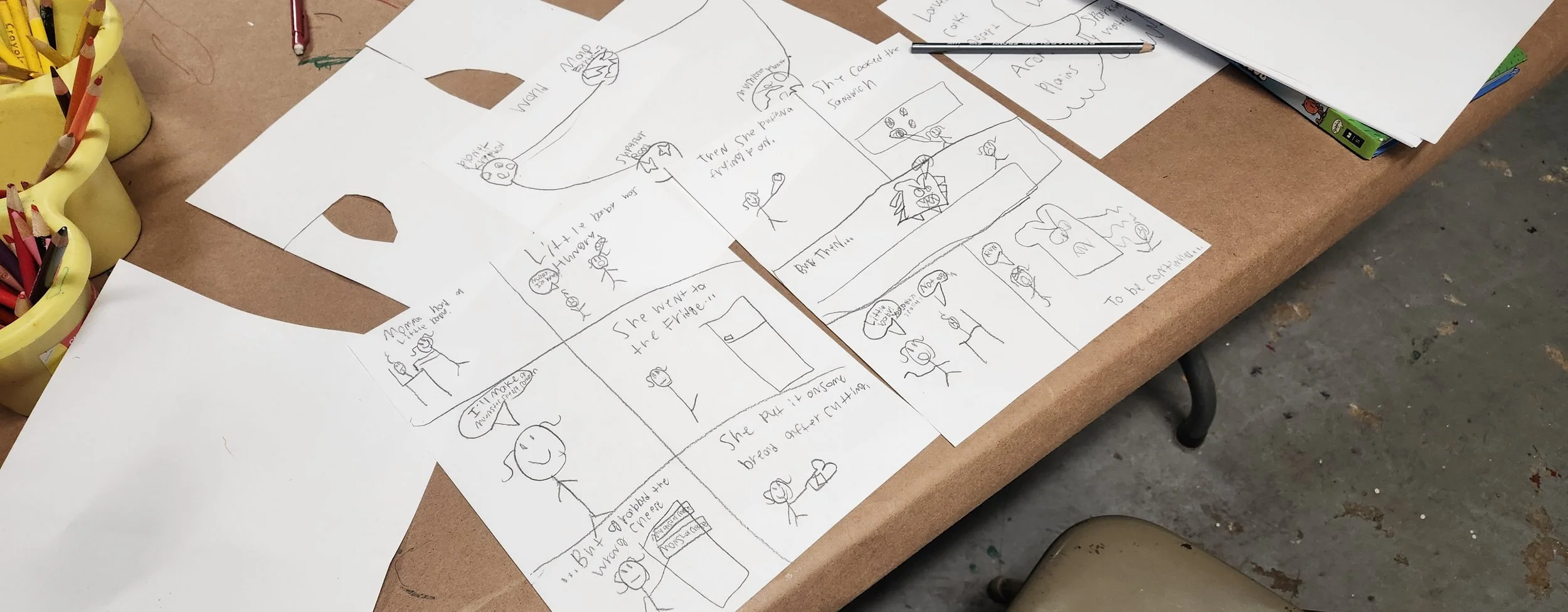
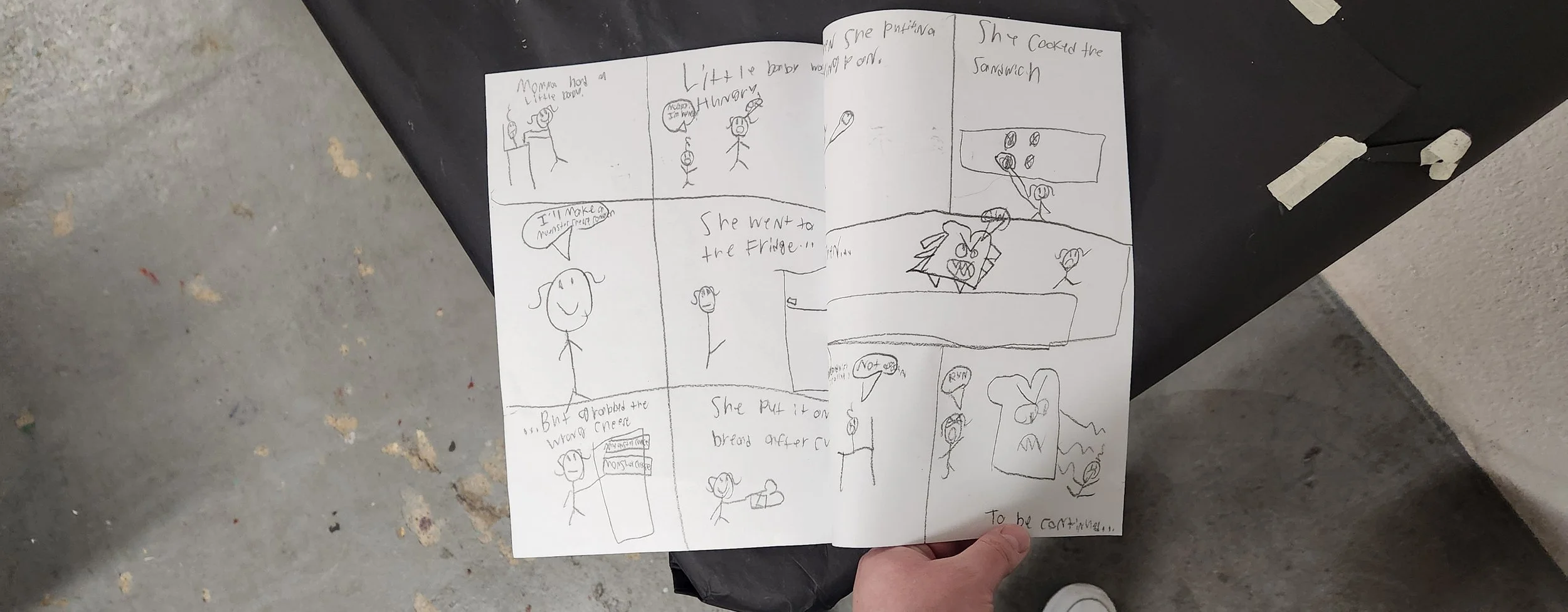
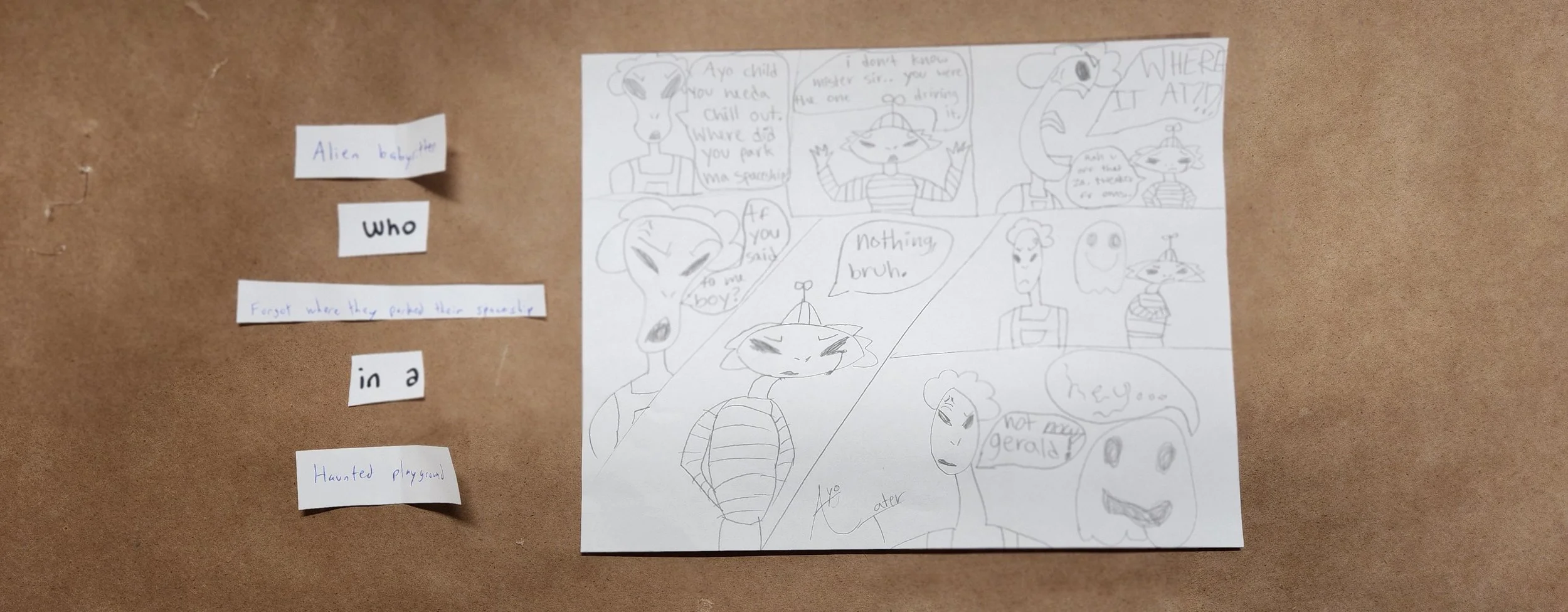
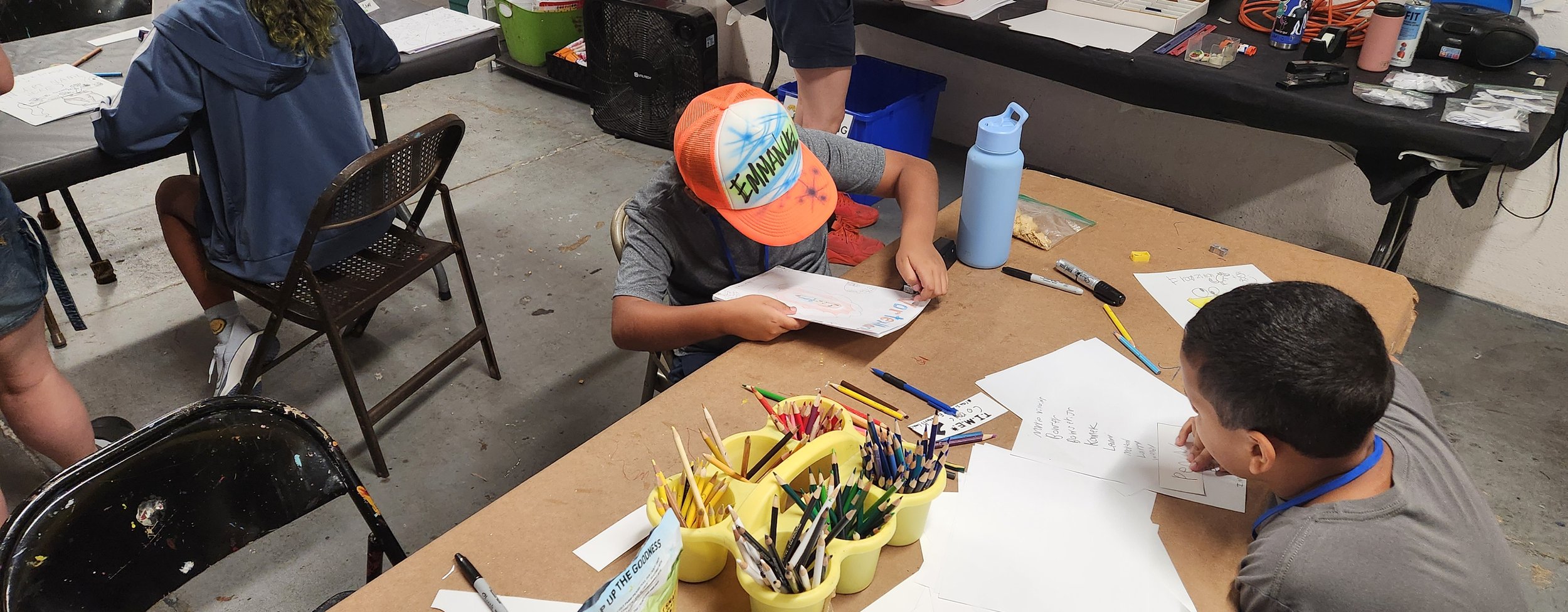
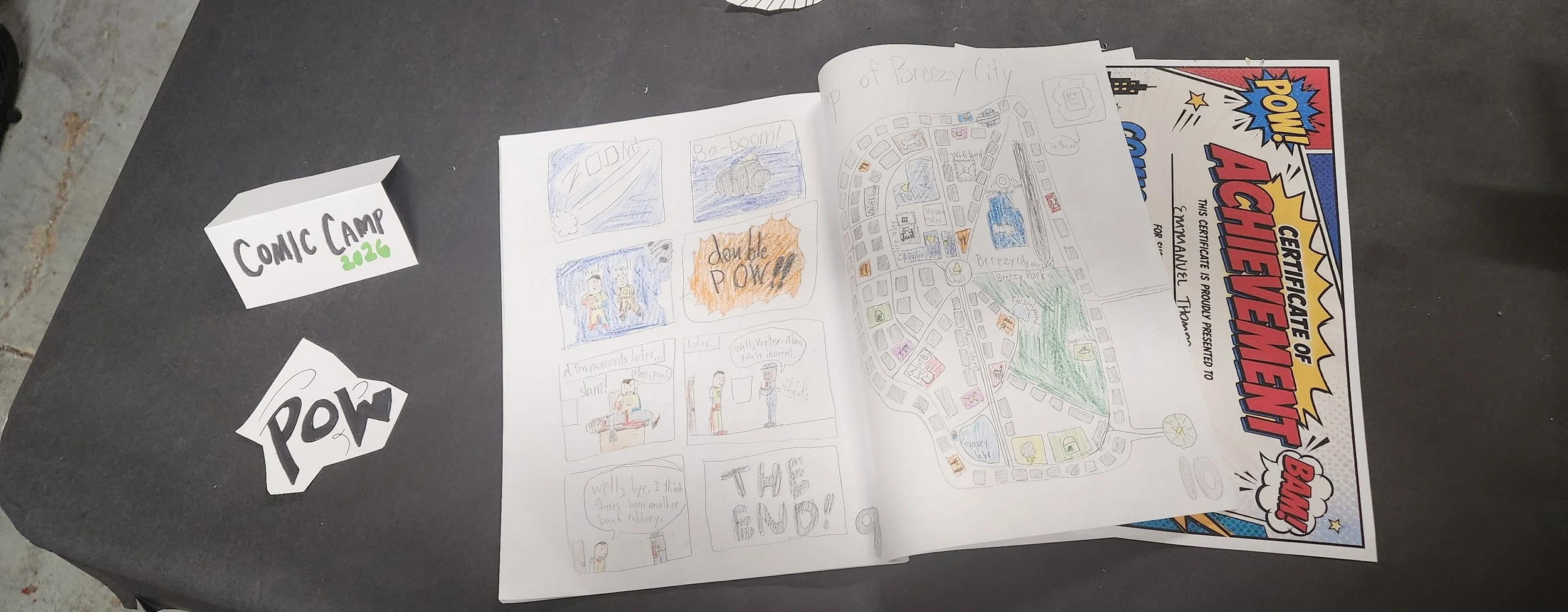
Instructor: Comic Books: Art, Writing, & Design Summer Camp - Wyoming Fine Arts Center, 2026
Instructor: Design Lab: Apps & Websites - ArtsConnect, 2026
Facilitator: “Absurdity as Strategy: Humor That Transforms Campus Planning” (workshop) - The Society for College & University Planning Annual Conference, 2026
Facilitator: “The Science of Cringe: Embarrassment, Comedy, & Social Risk” (workshop) - Humor Research Conference at Texas A&M, 2026
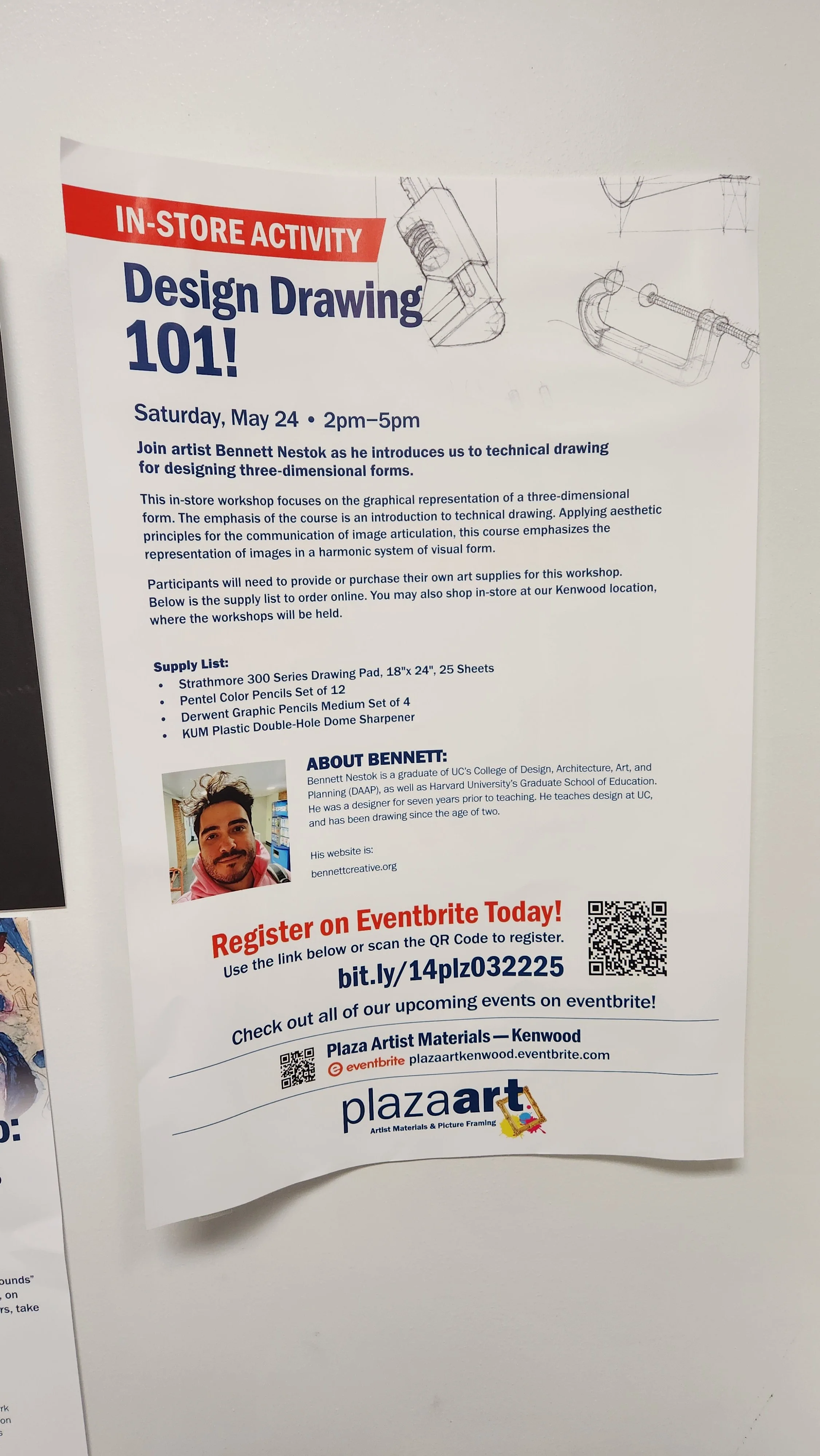
Instructor: Drawing Class - Plaza Artist Materials, 2025
Adjunct Professor: Interaction Design 2 (CODE3011) - University of Cincinnati, 2025
Assistant Adjunct Professor: Design Aesthetics 2 (CODE1110) - University of Cincinnati, 2025, 2026
Assistant Adjunct Professor: Computer Graphics for Non-Majors (CMDS1085) - University of Cincinnati, 2024
Adjunct Professor: Design Drawing (CODE1000) - University of Cincinnati, 2024
Assistant Adjunct Professor: Design Aesthetics 1 (CODE1010) - University of Cincinnati, 2024, 2025
Adjunct Professor: Design Aesthetics 3: Computational Aesthetics (CODE2012) - University of Cincinnati, 2022
Speaker: “Education through Comedic Shock Value” - Humor Research Conference at Texas A&M, 2017
Instructor: Graphic Design Summer Camp - Digital Media Academy at Harvard University, 2017
Instructor: Graphic Design Summer Camp - Digital Media Academy at Southern Plano University, 2016
Speaker: “SALMON 2.0: An Arduino Addition to the Original Cult Humor App Concept ” - Humor Research Conference at Texas A&M, 2016
Facilitator: “No Fluff: Designing for Visual Economy, Relevance, & Utility in a Graphically Inundated World” (workshop) - Harvard University, 2016
Graduate Teaching Assistant: Design Thinking & Problem Solving (DSGN1070) - University of Cincinnati, 2016
Graduate Teaching Assistant: Communication Design for Professional Practice (GRCD1030) - University of Cincinnati, 2015, 2016
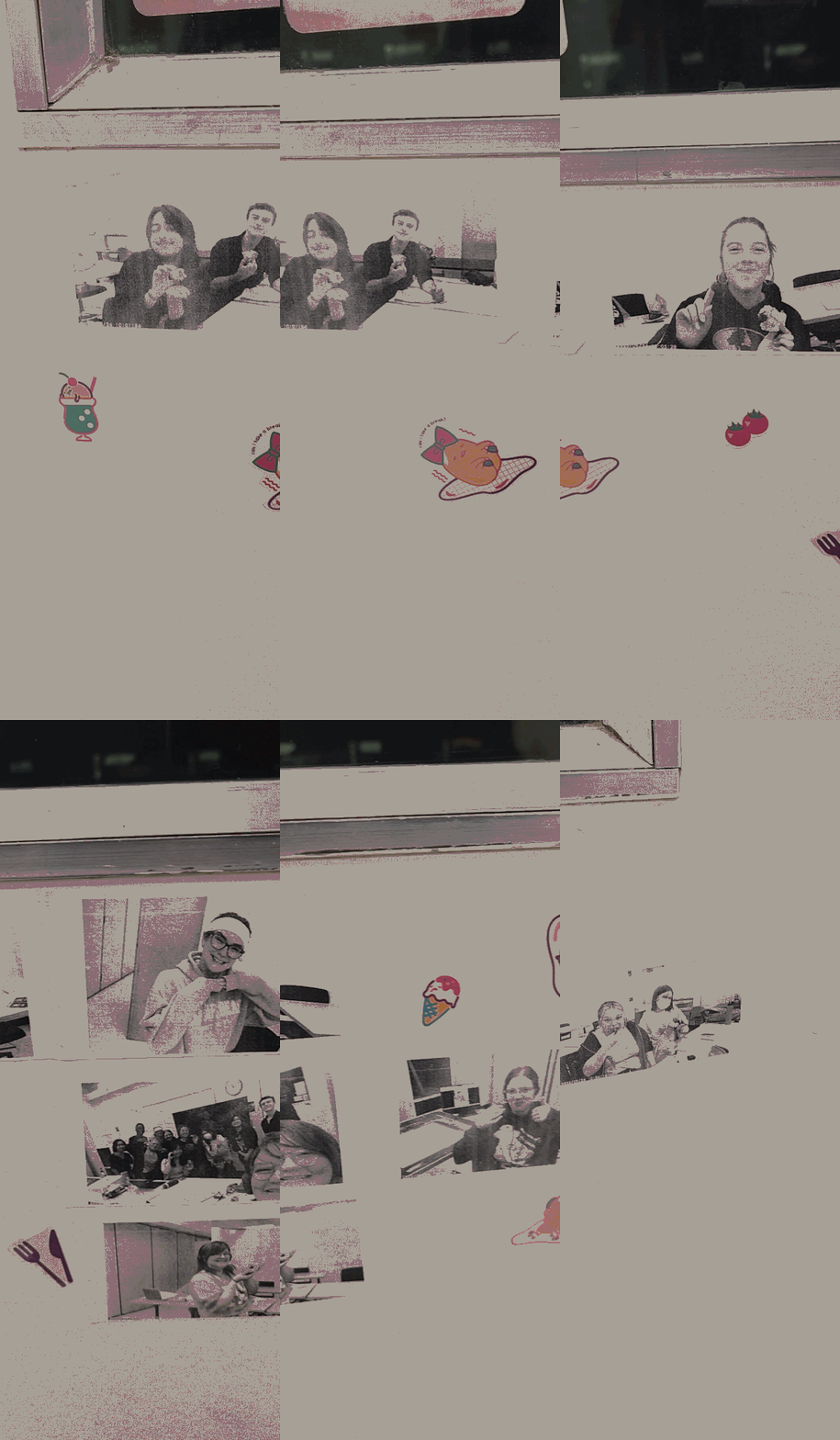
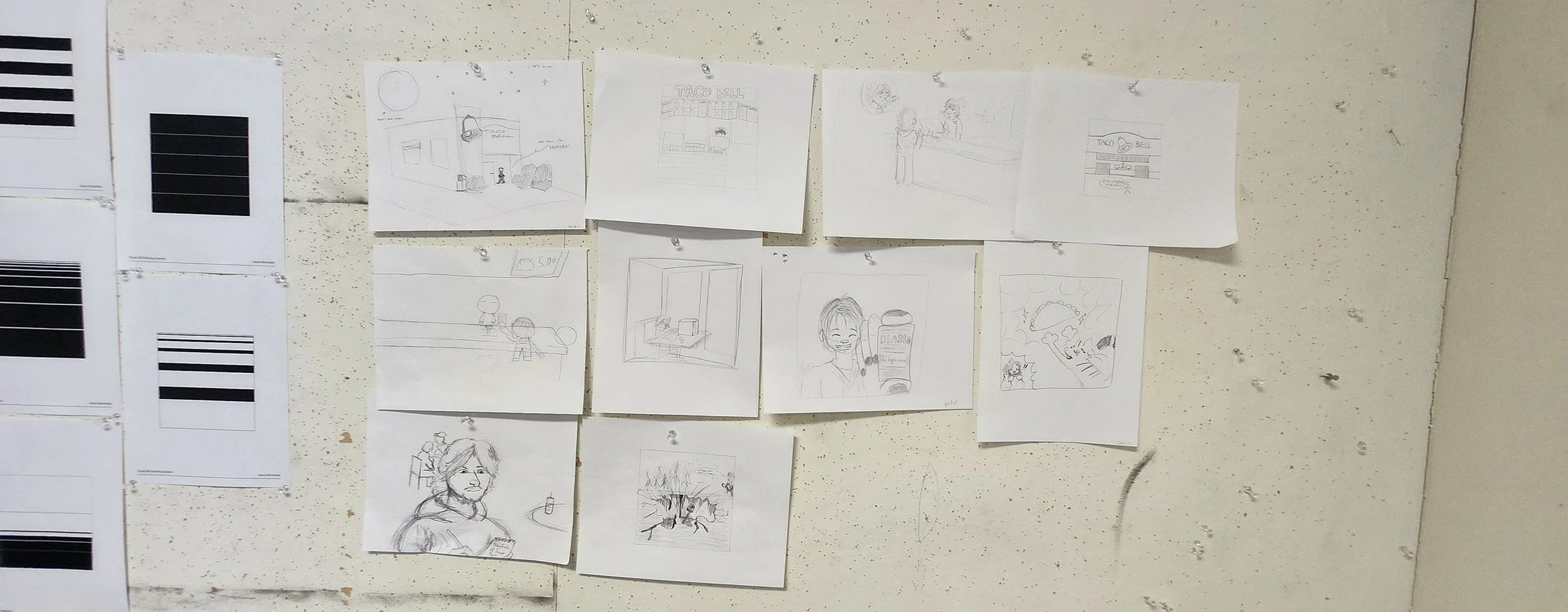
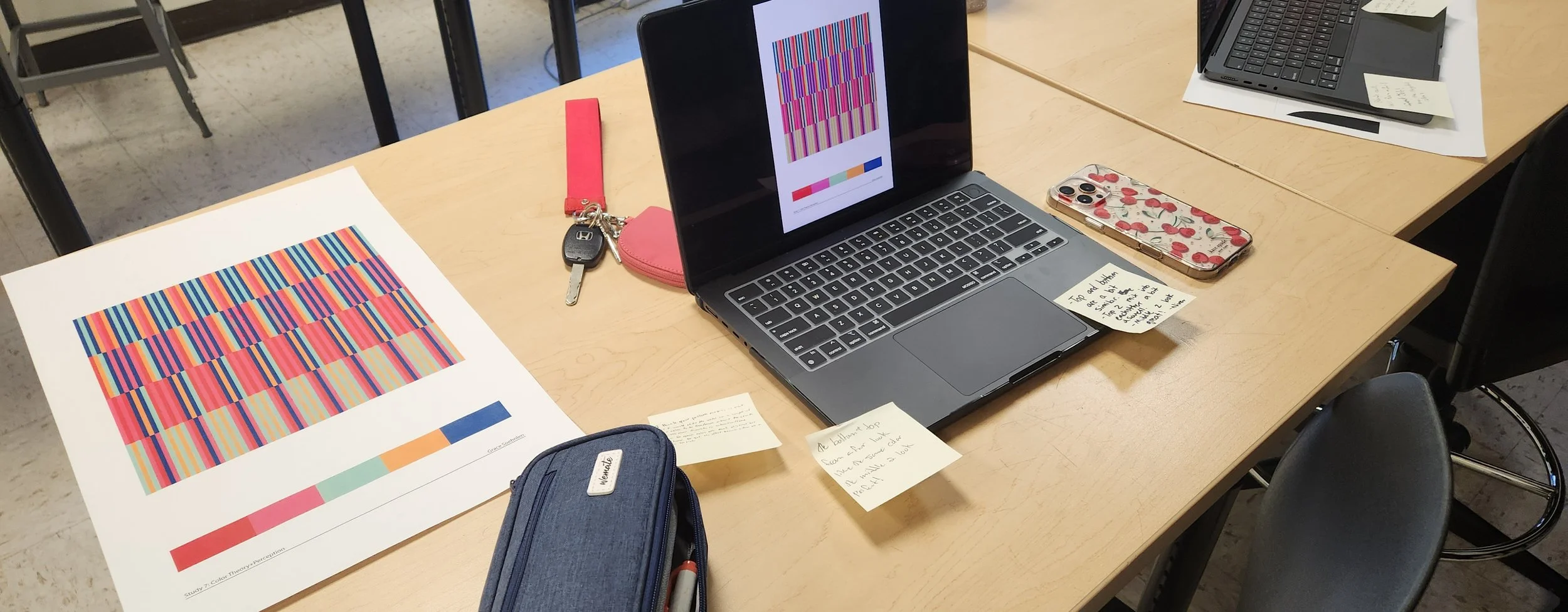
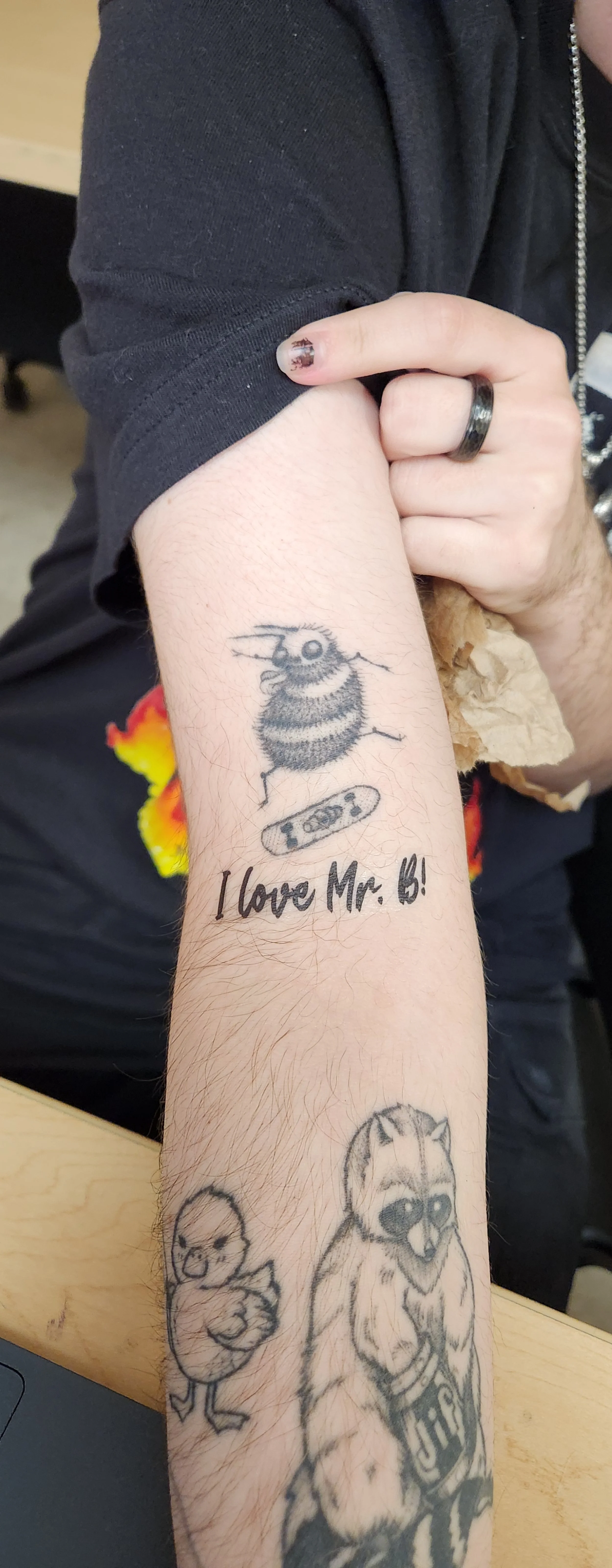
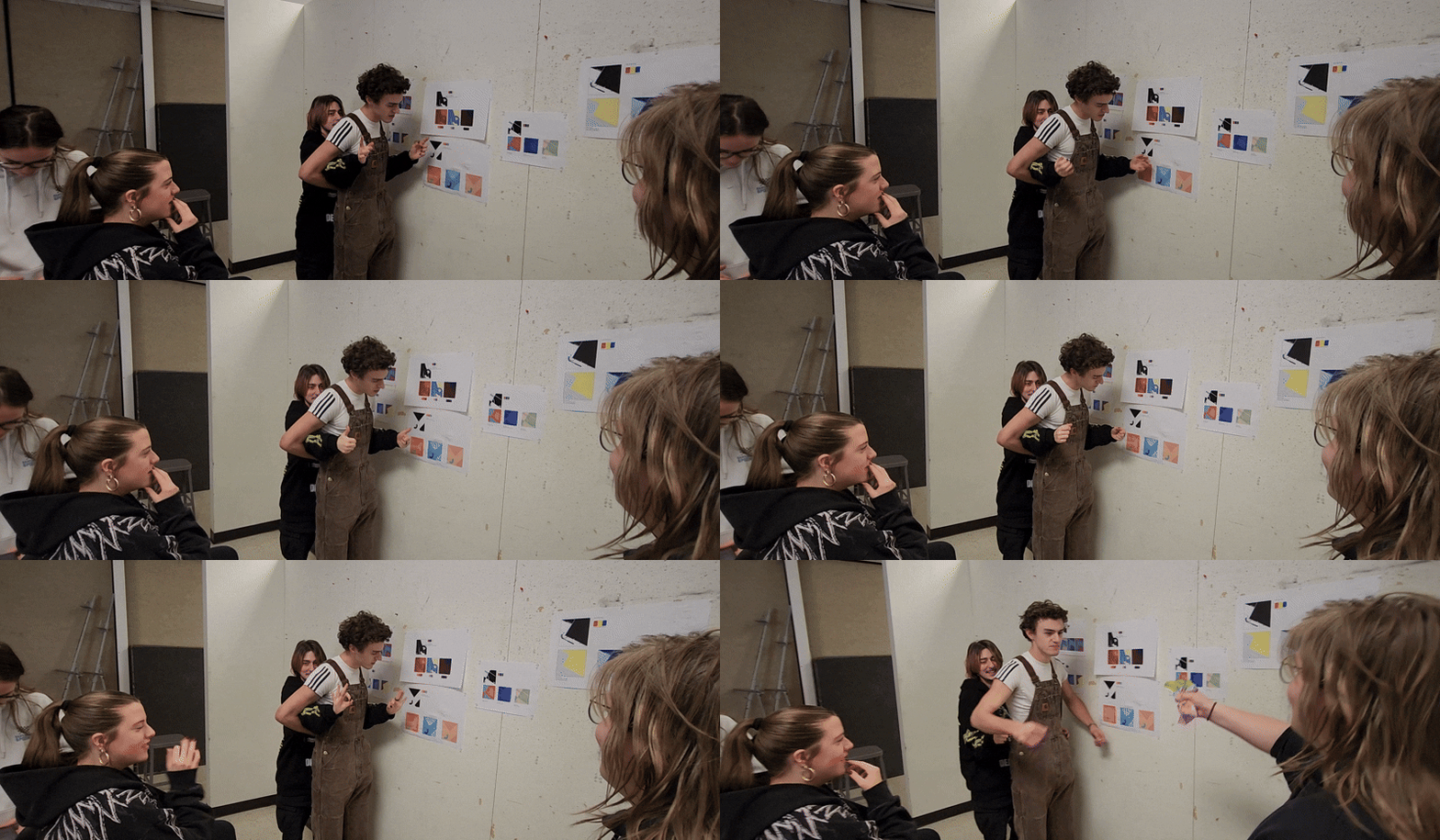
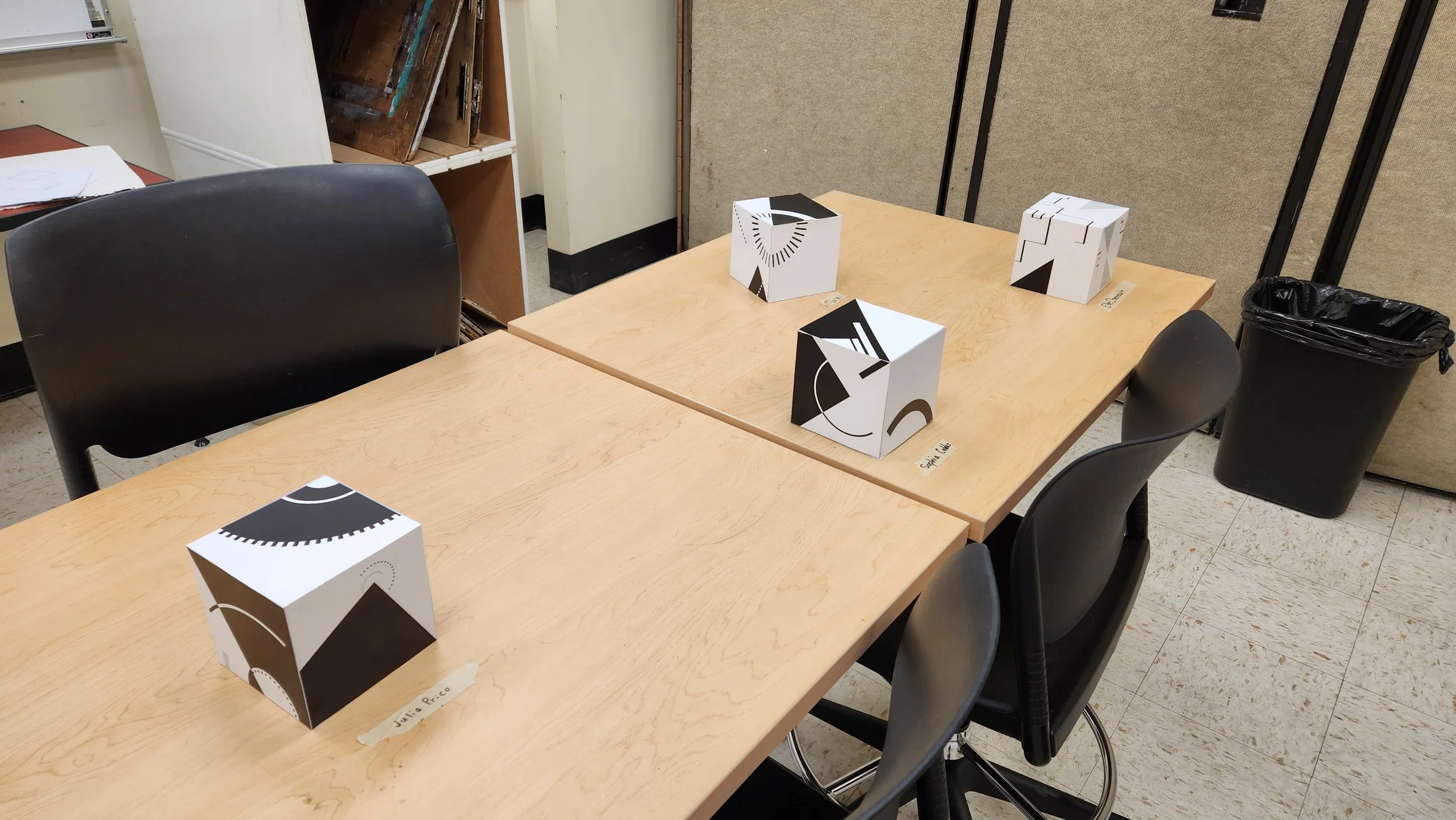
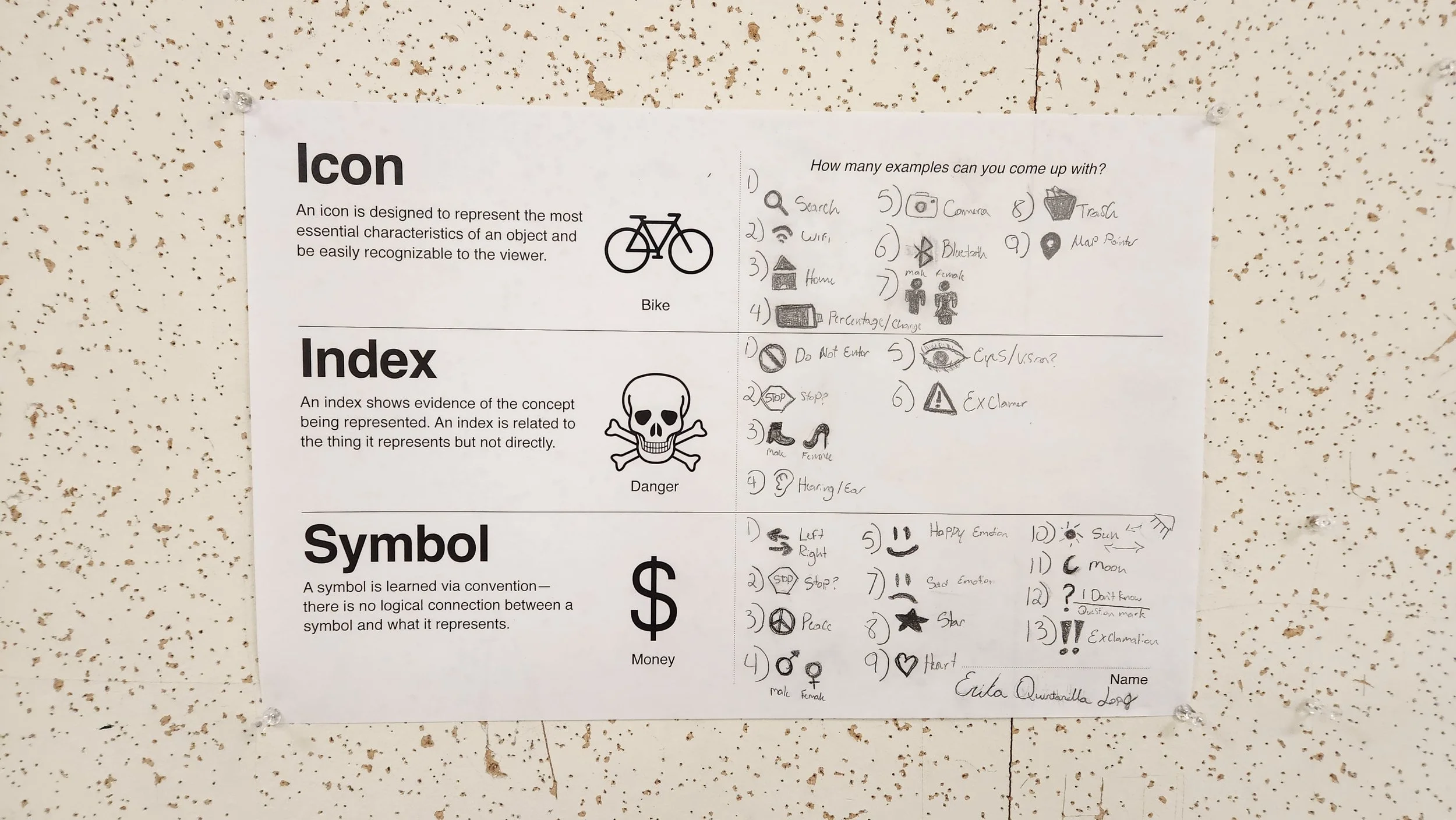
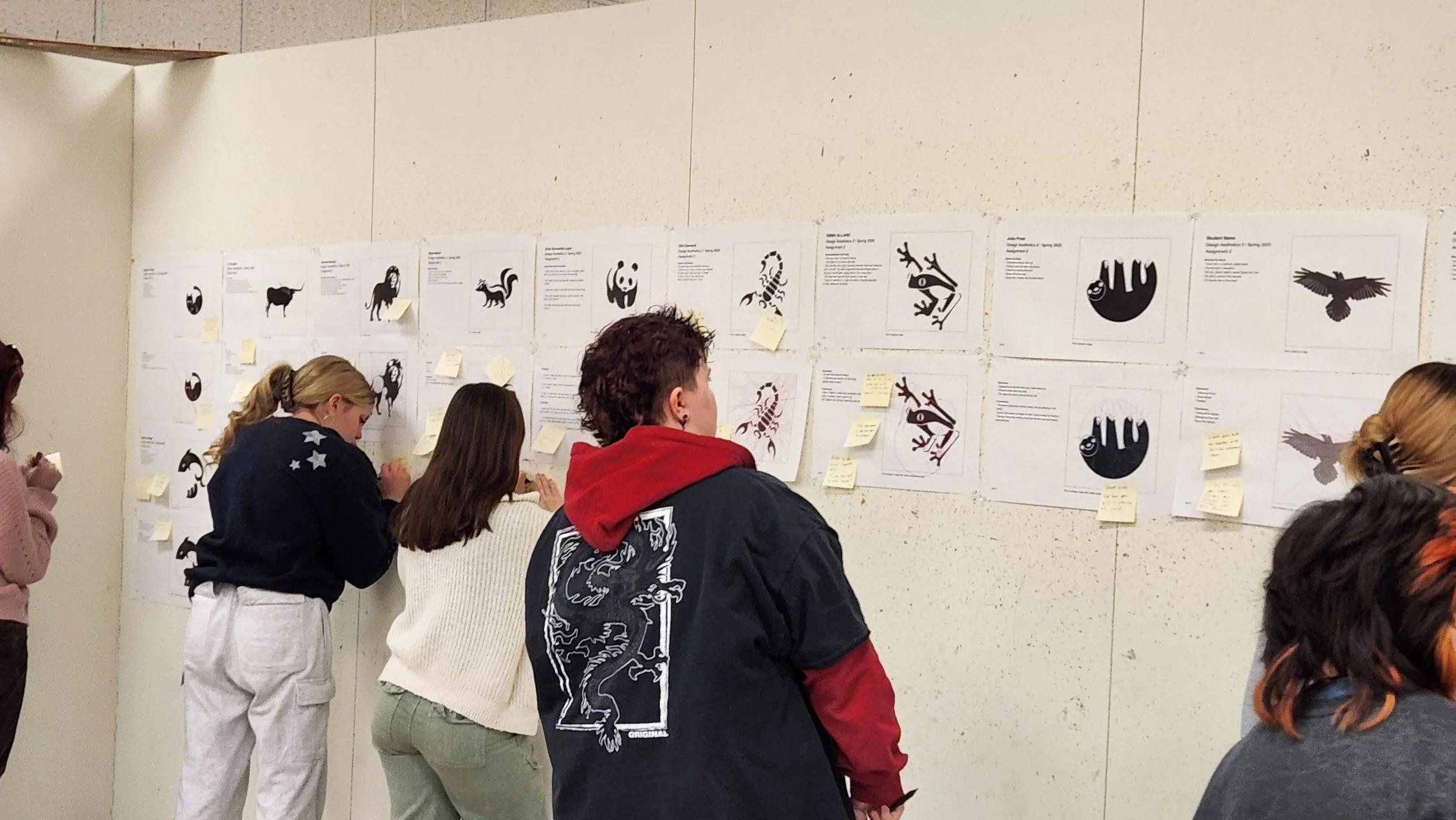
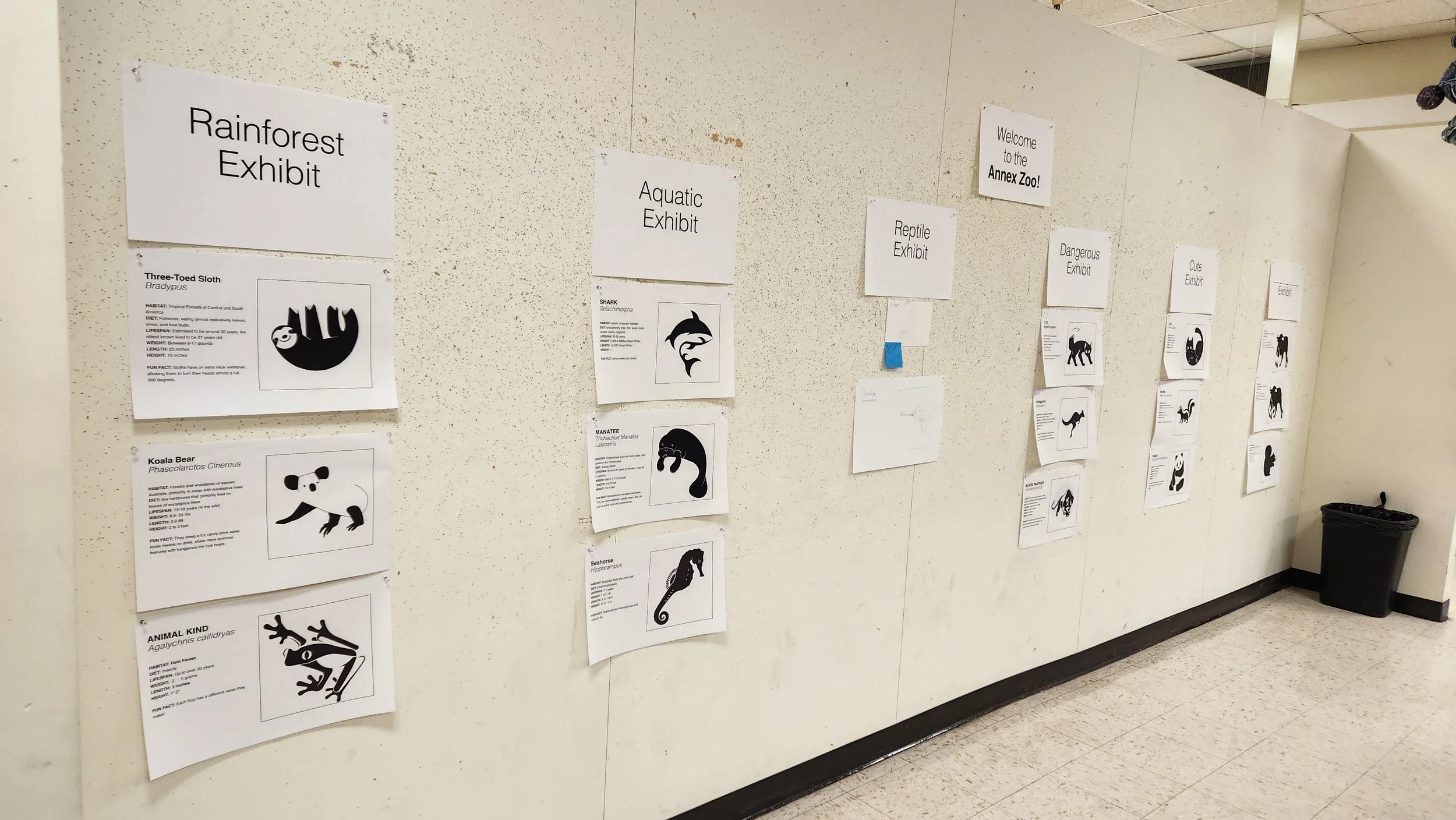
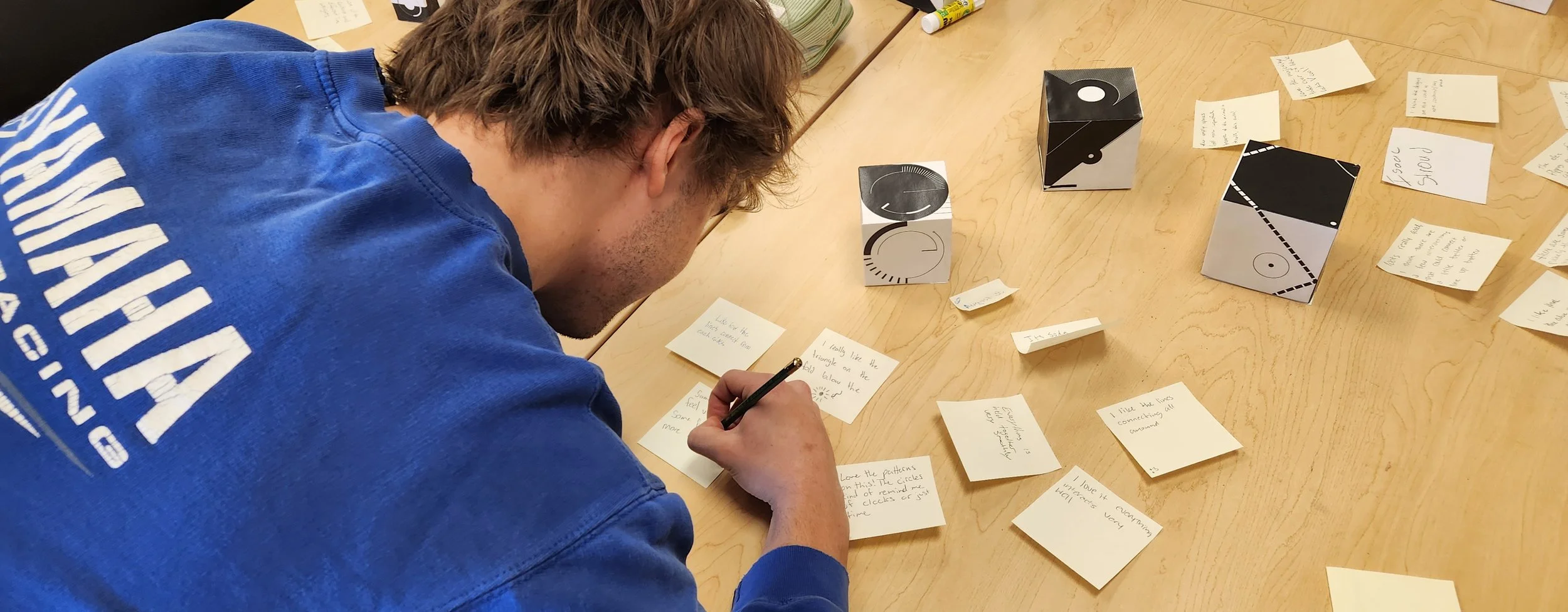
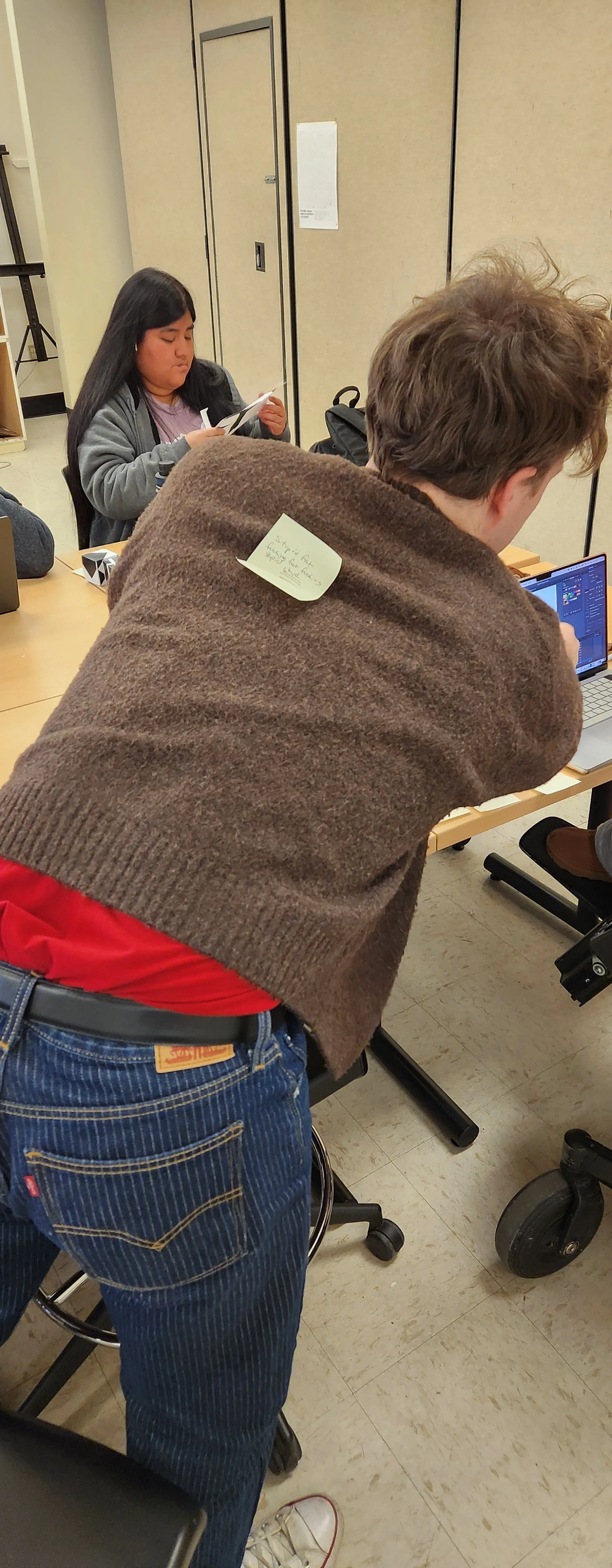
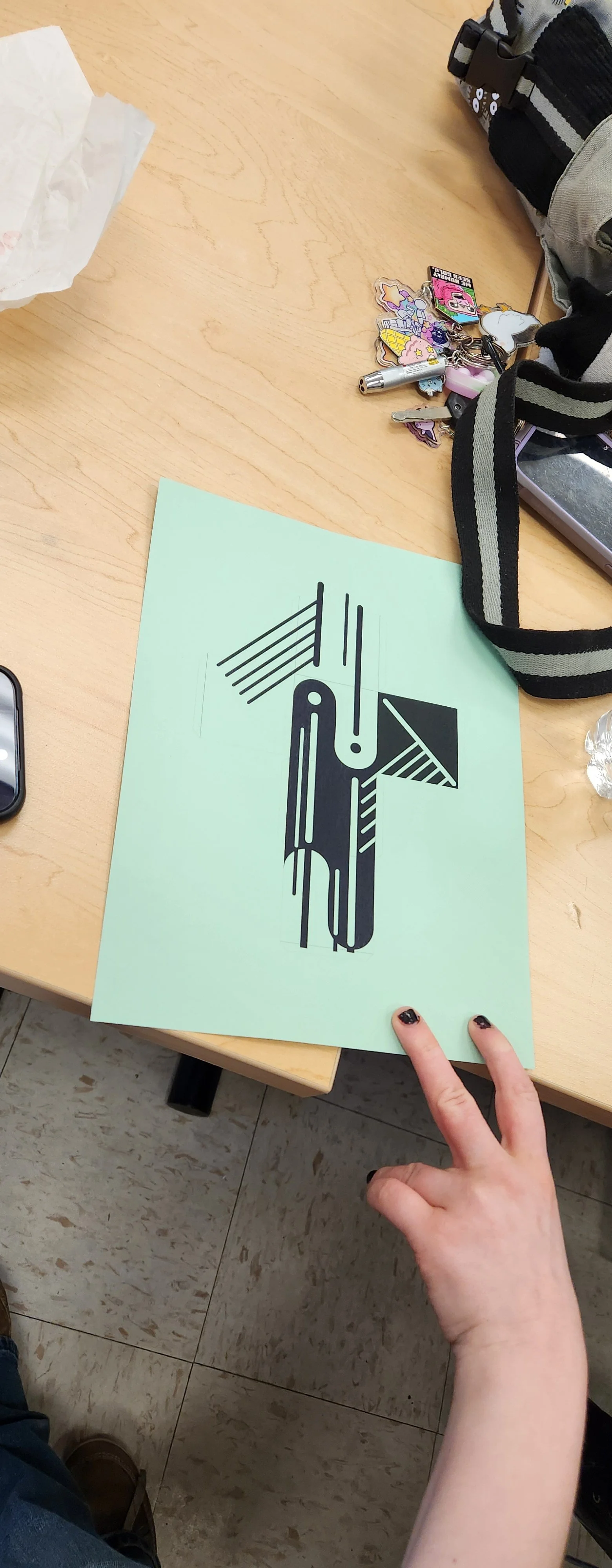
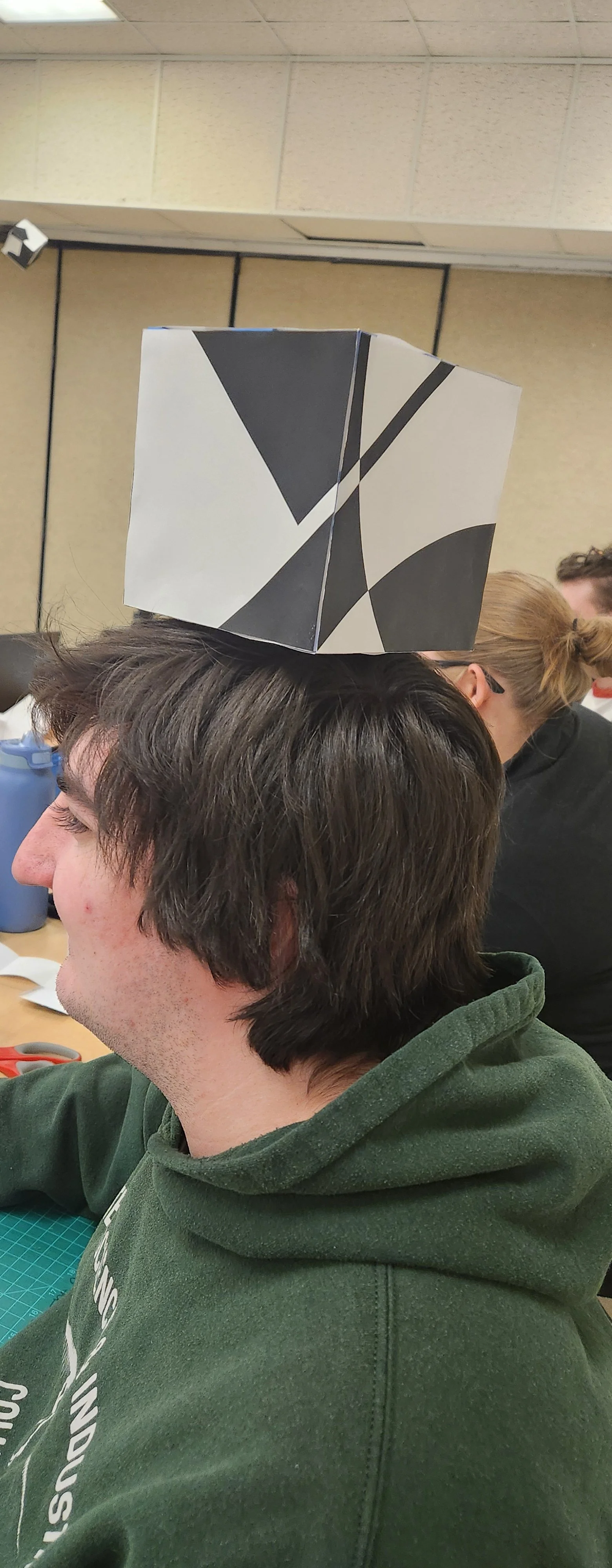
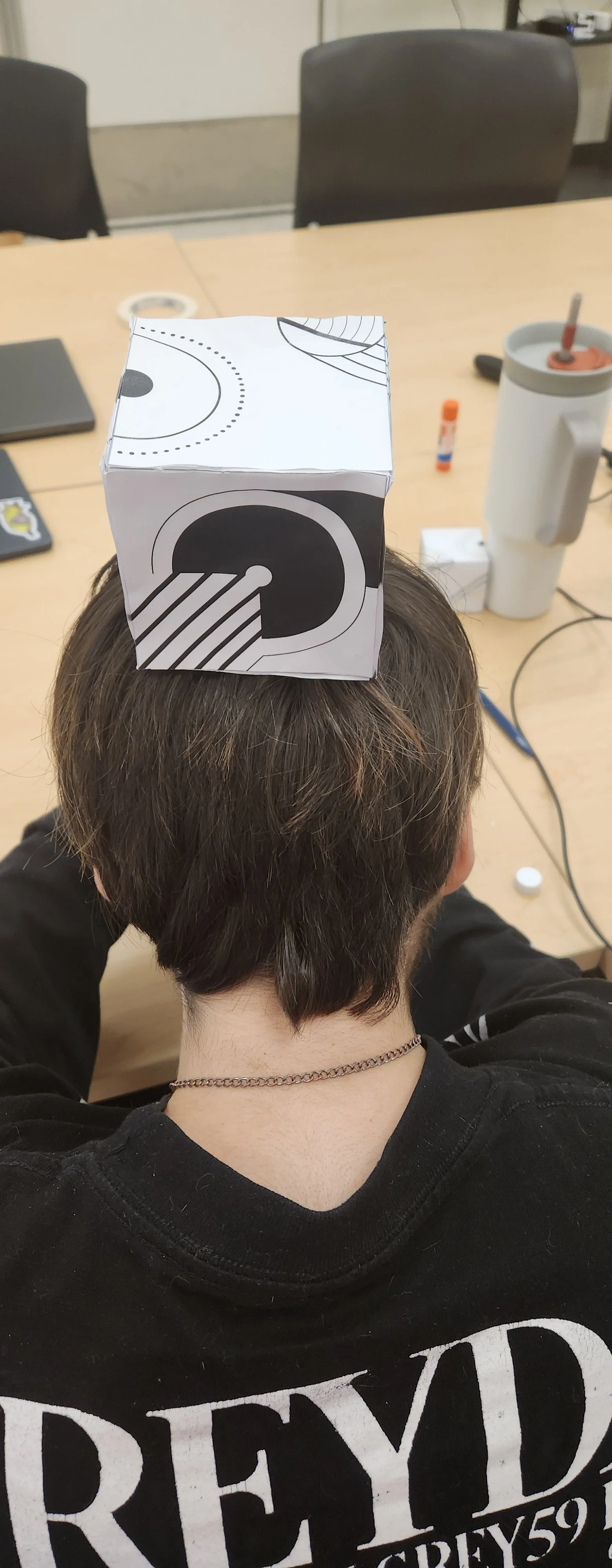
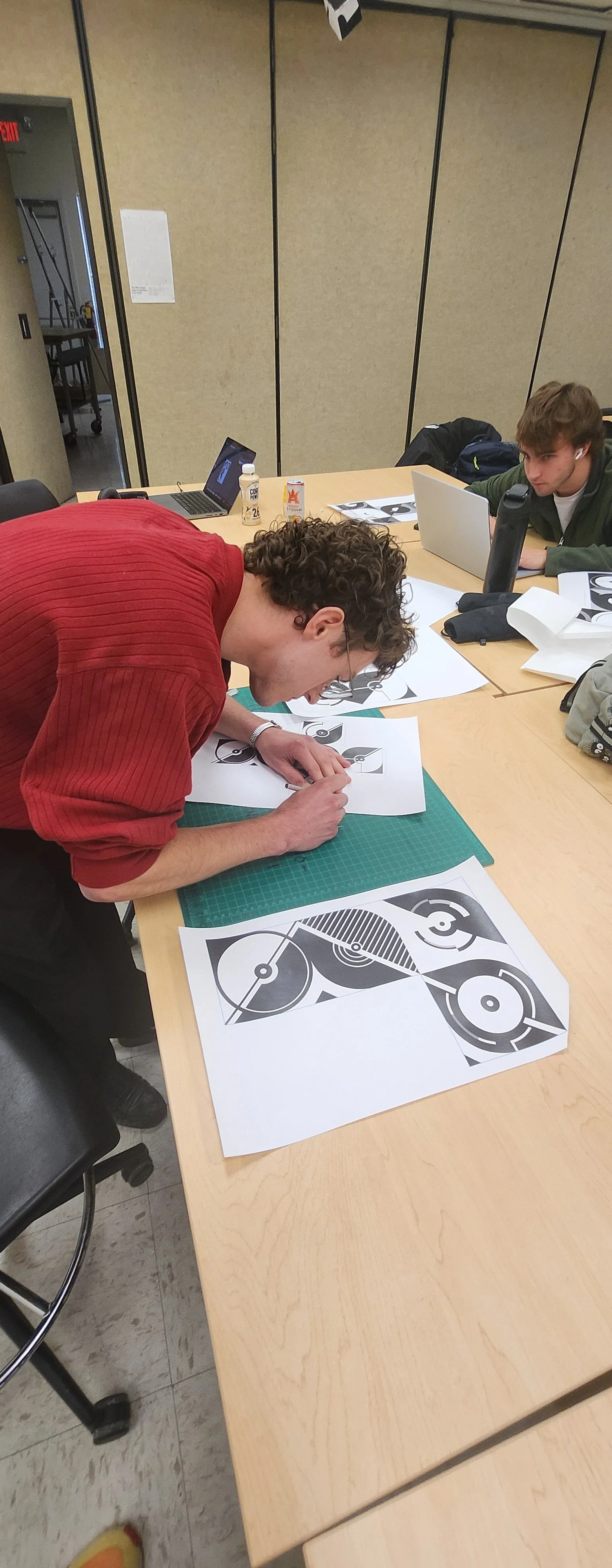
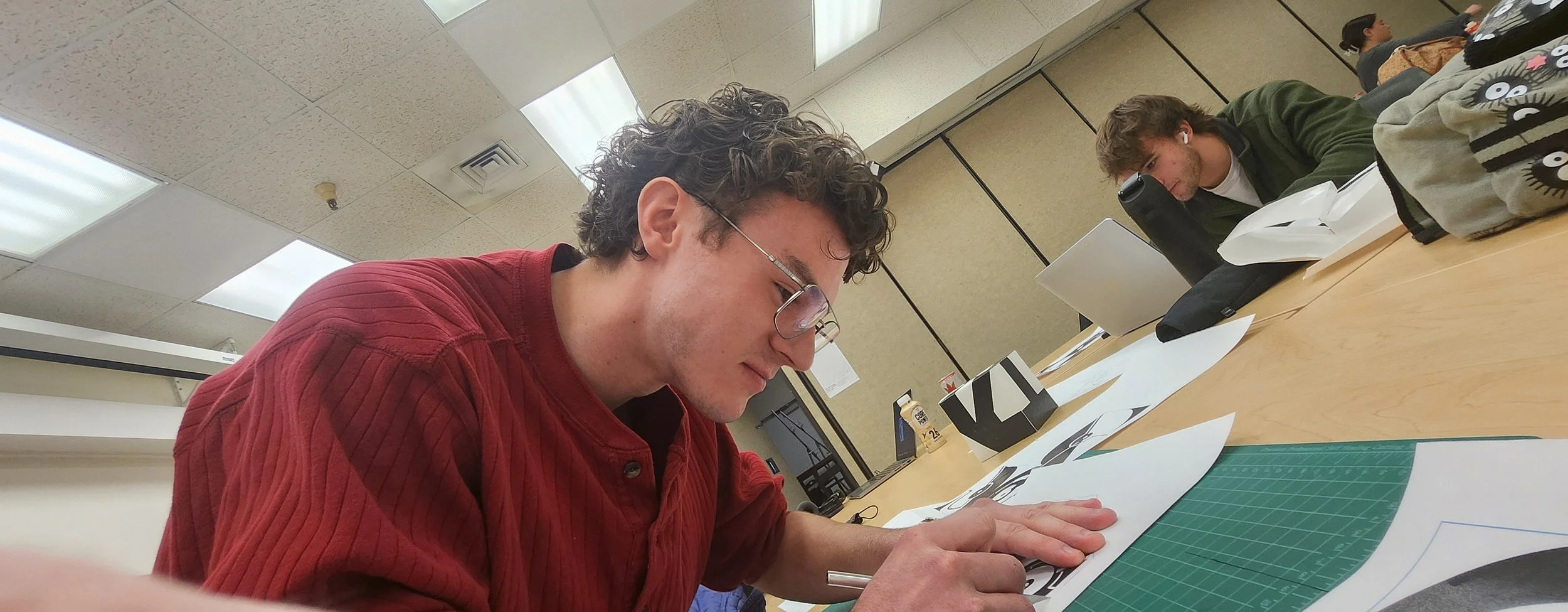
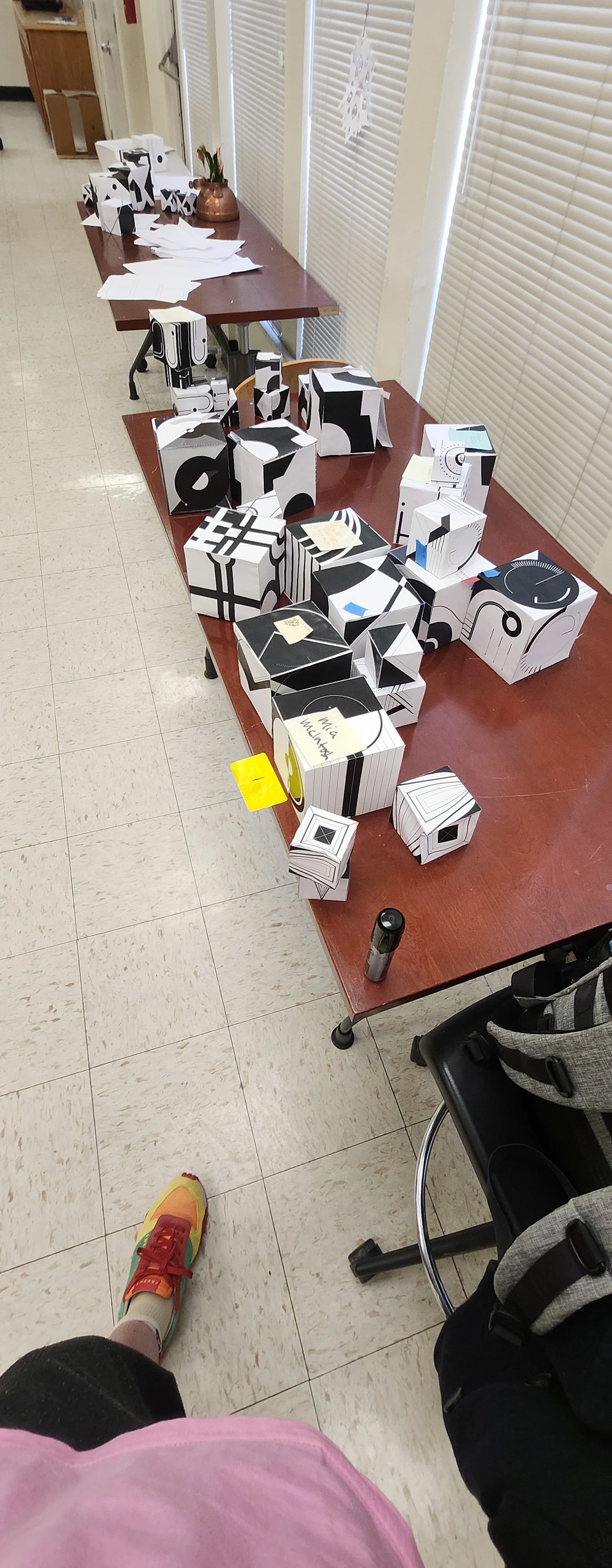
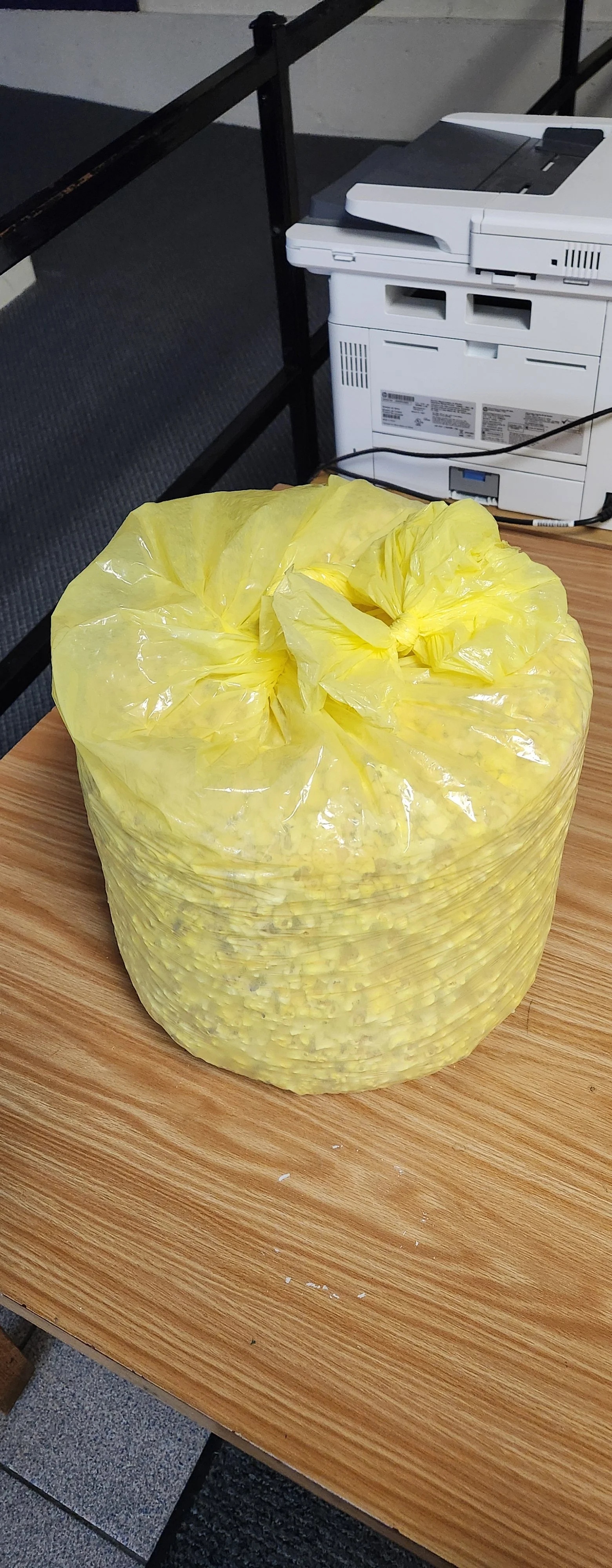
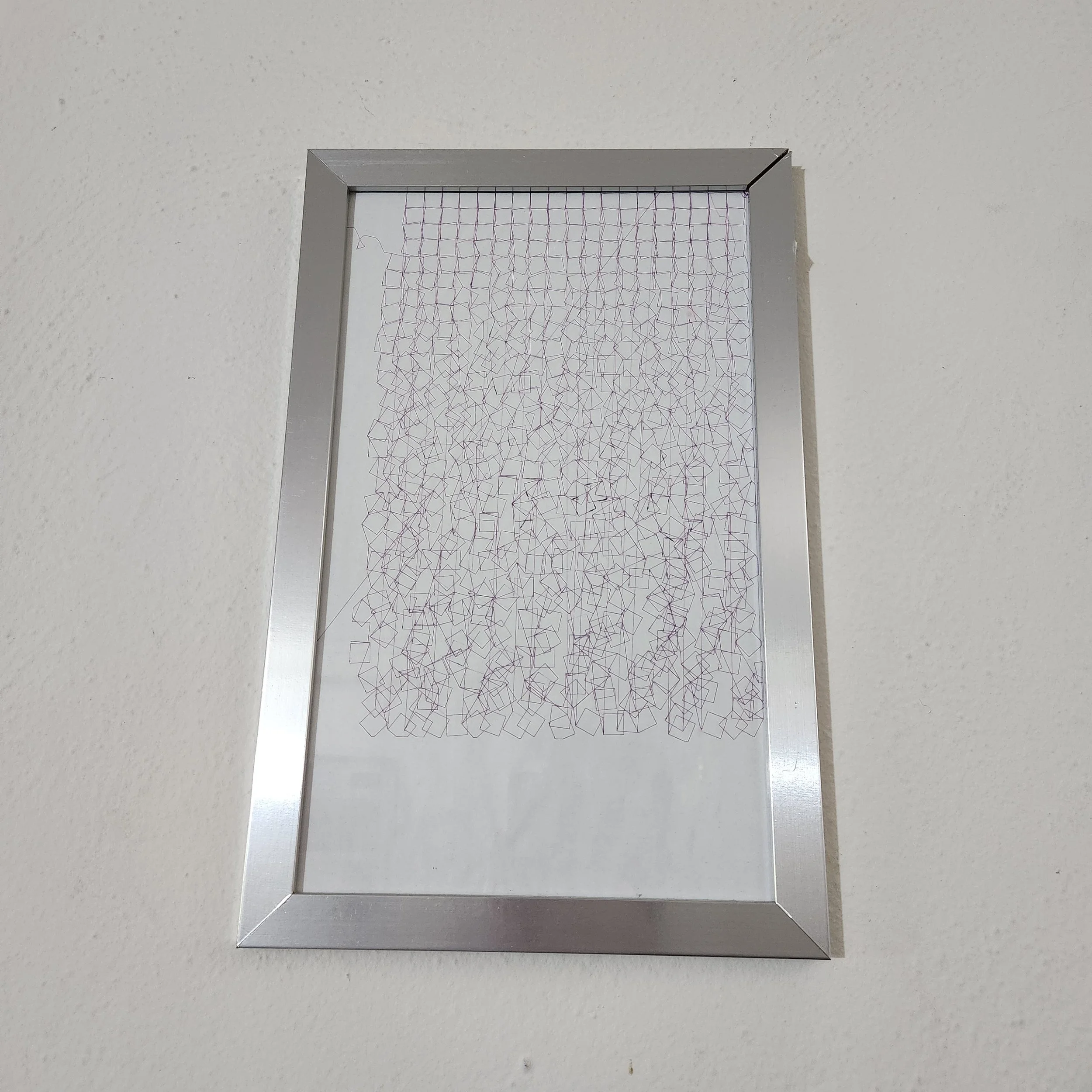
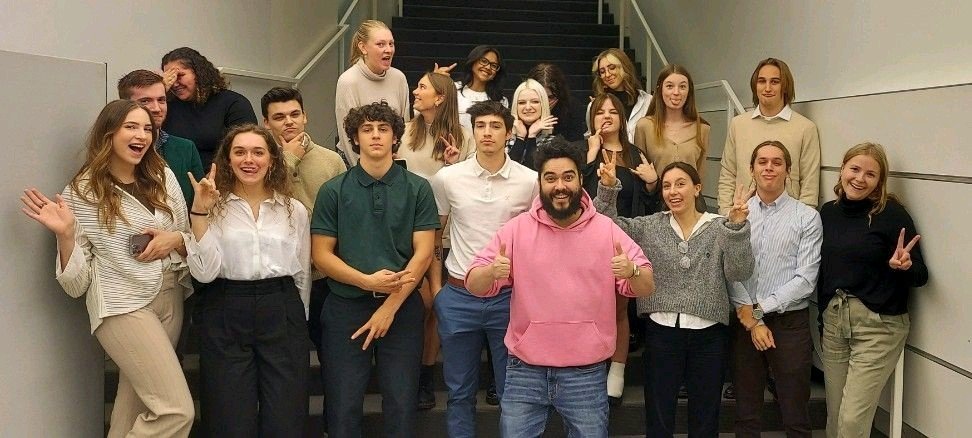
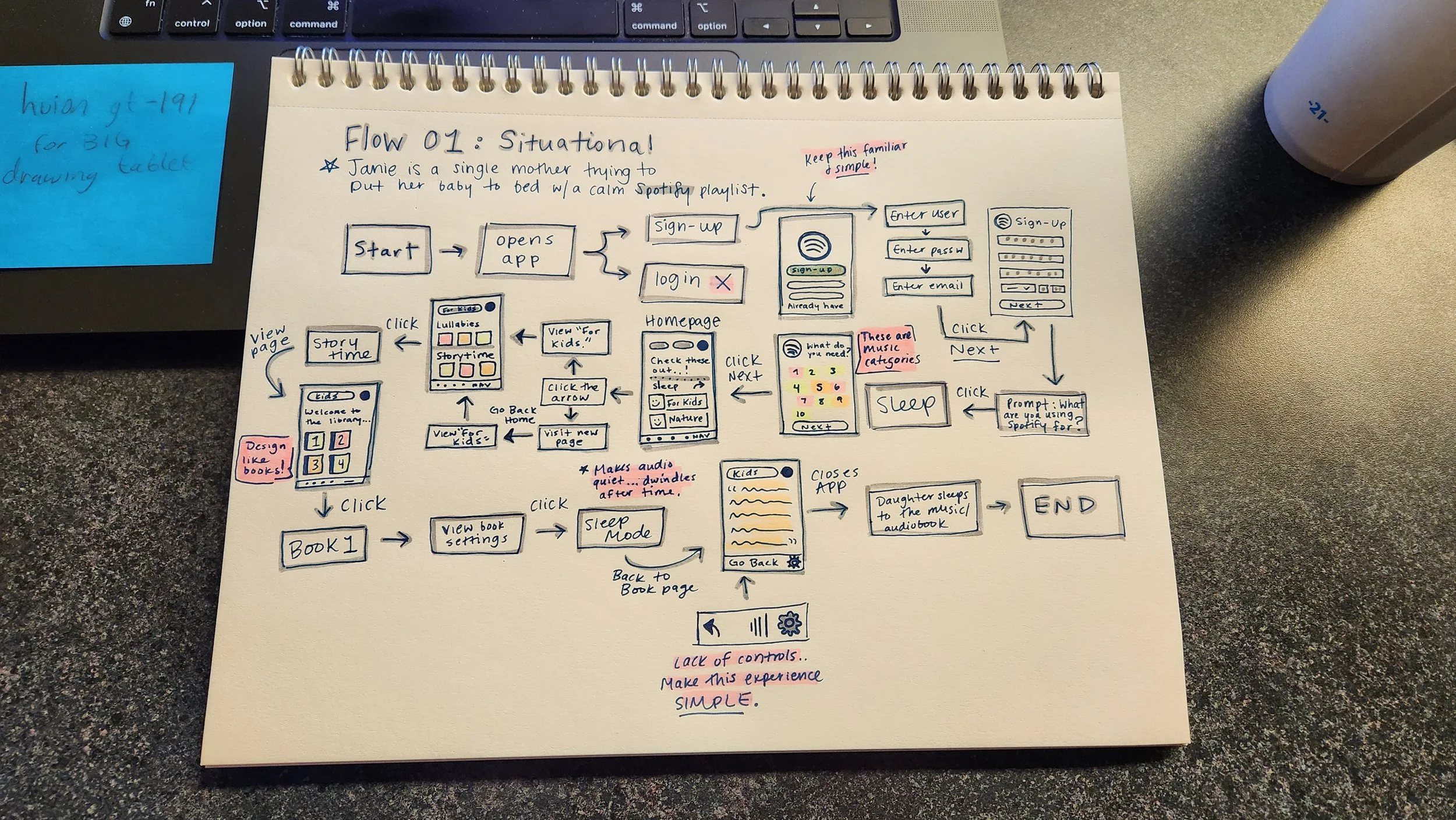
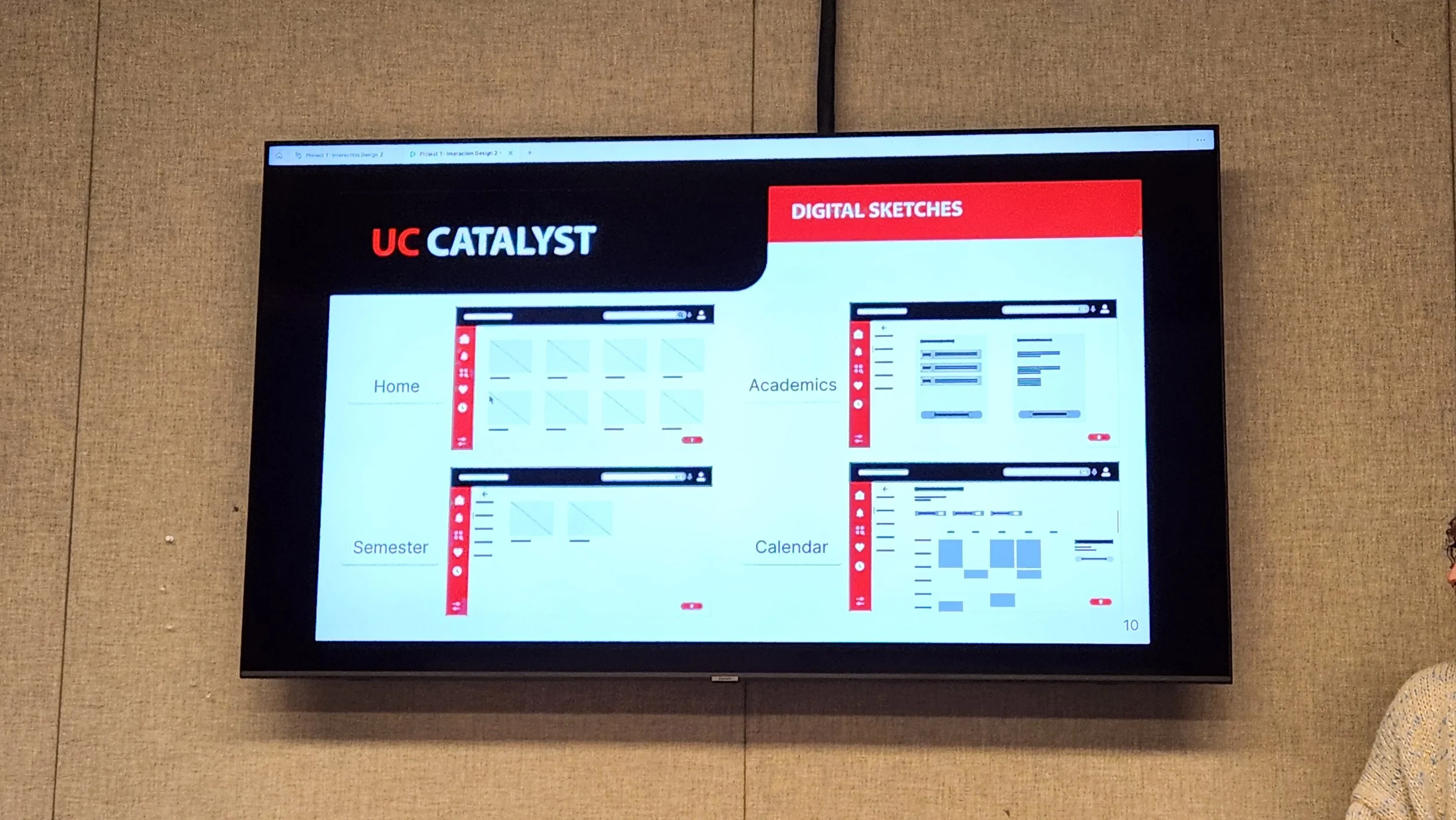
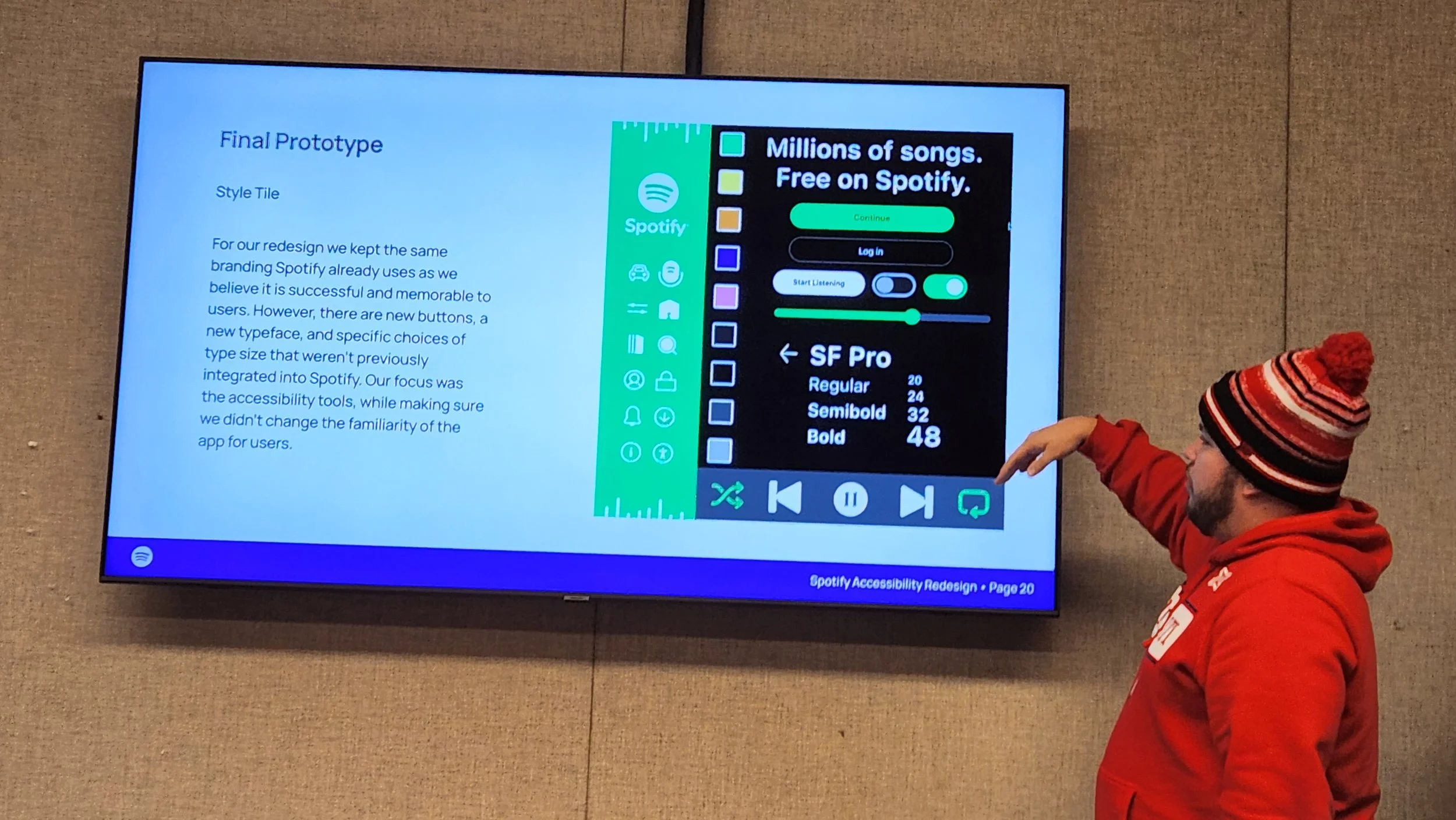
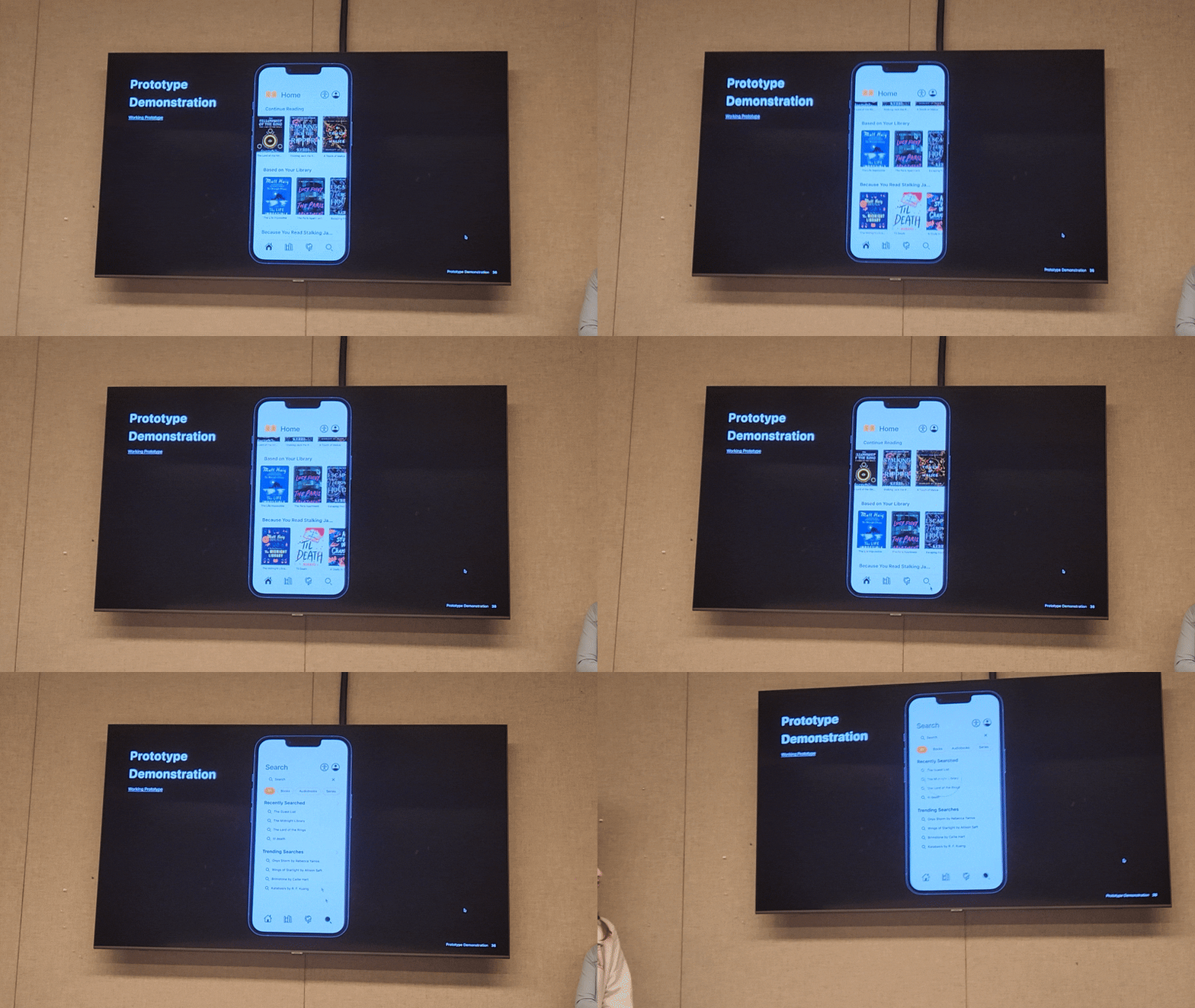
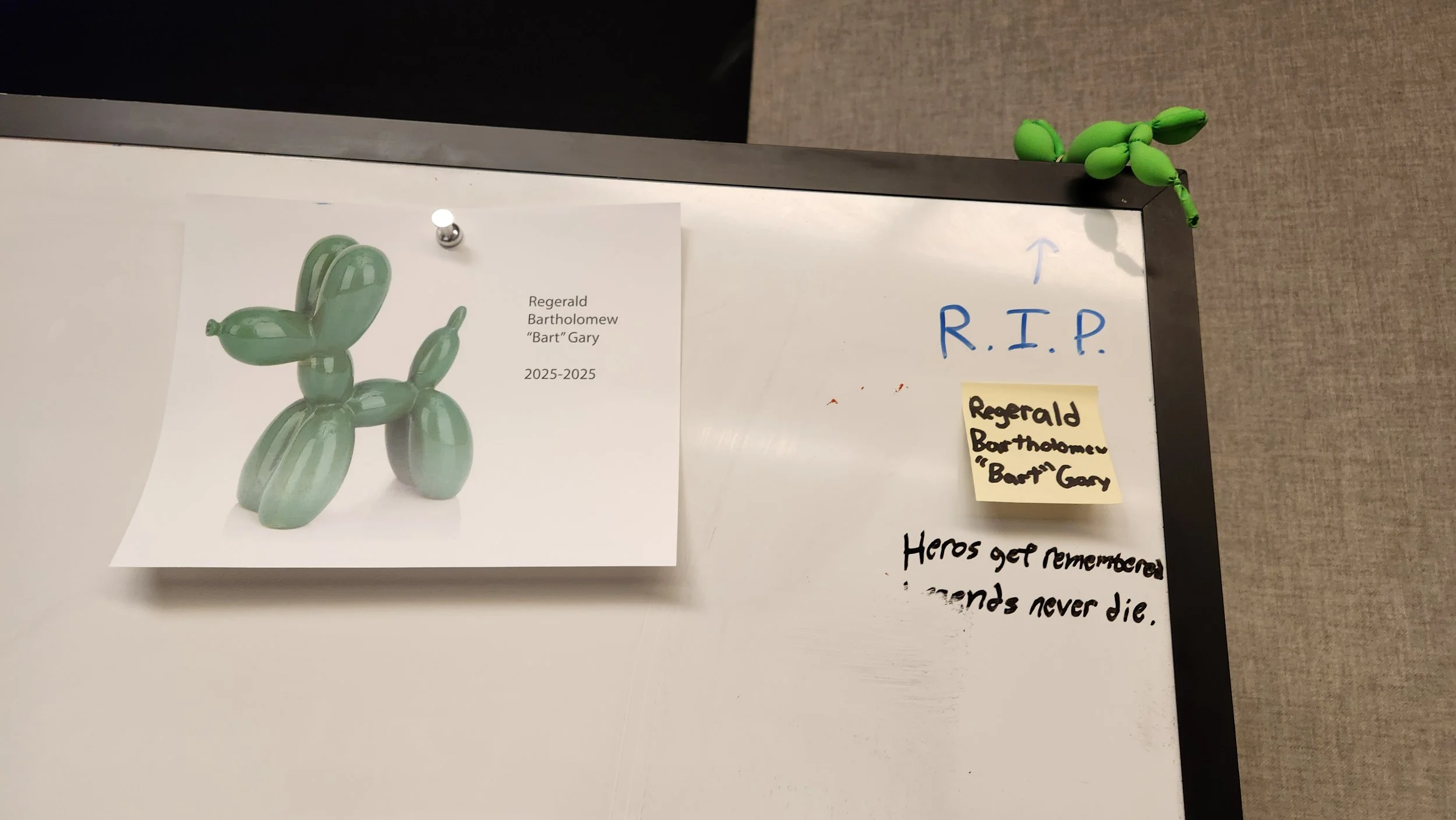
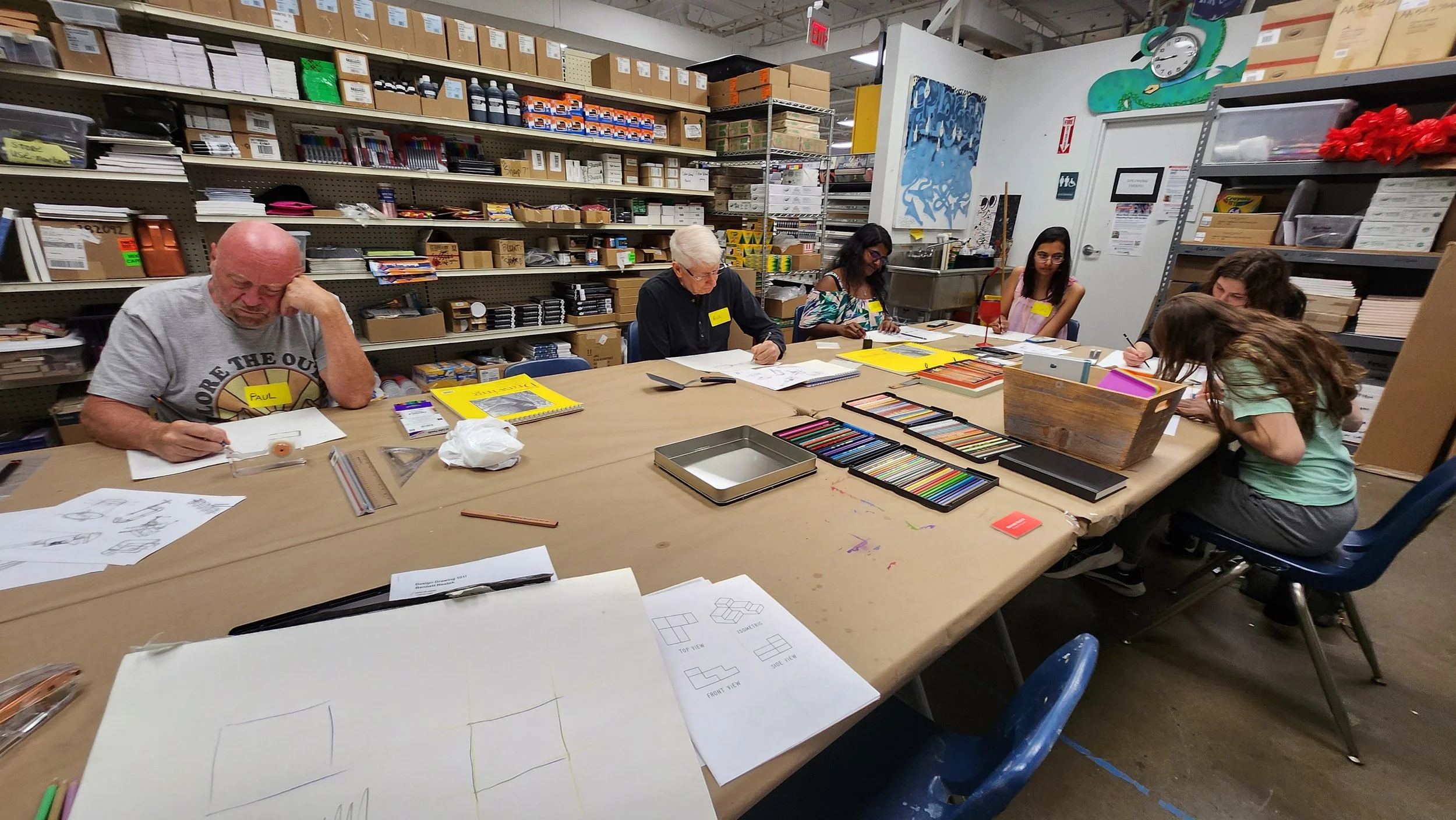
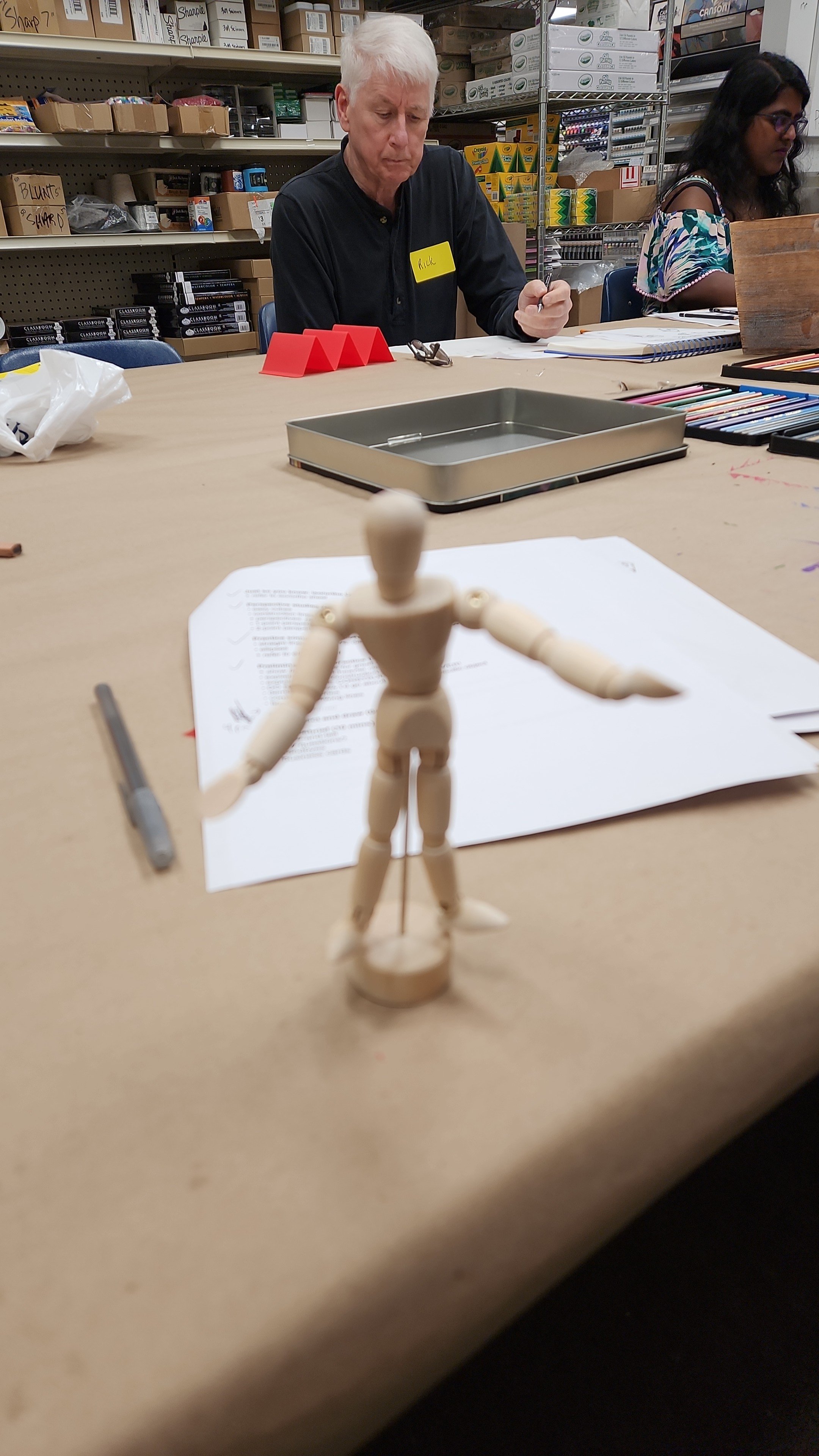
Photos from Class


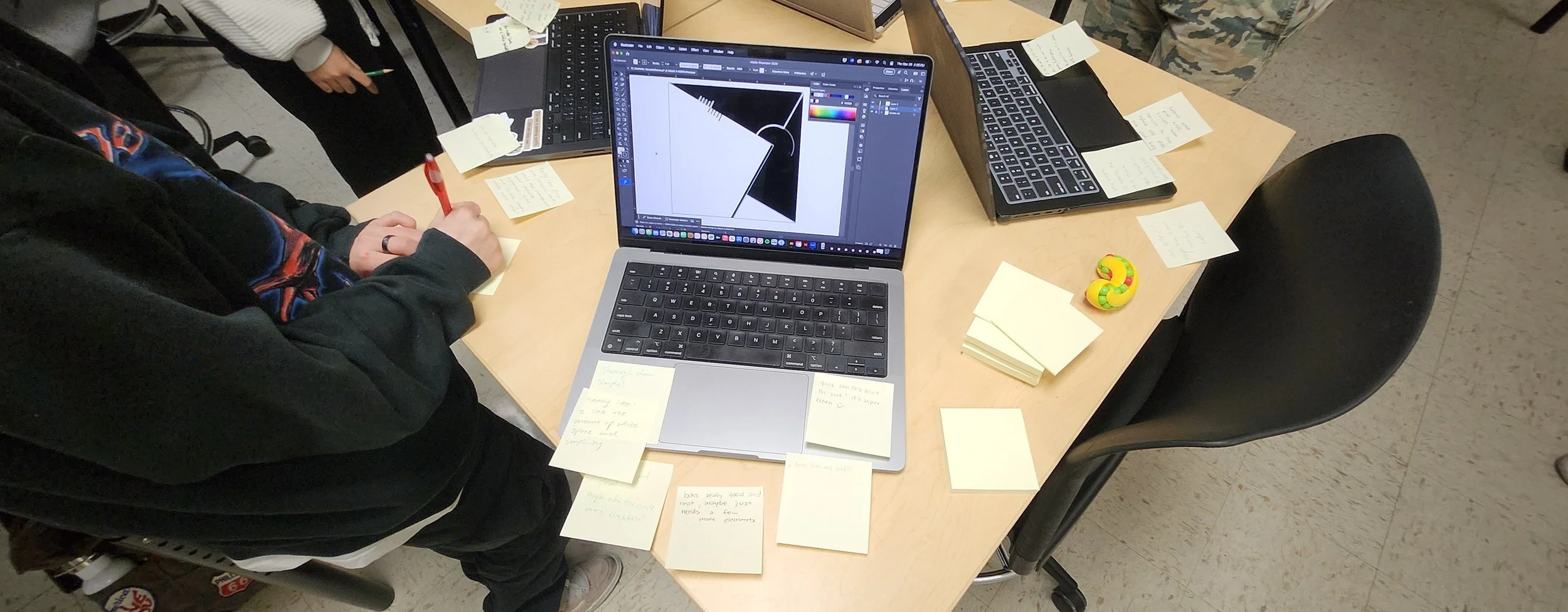
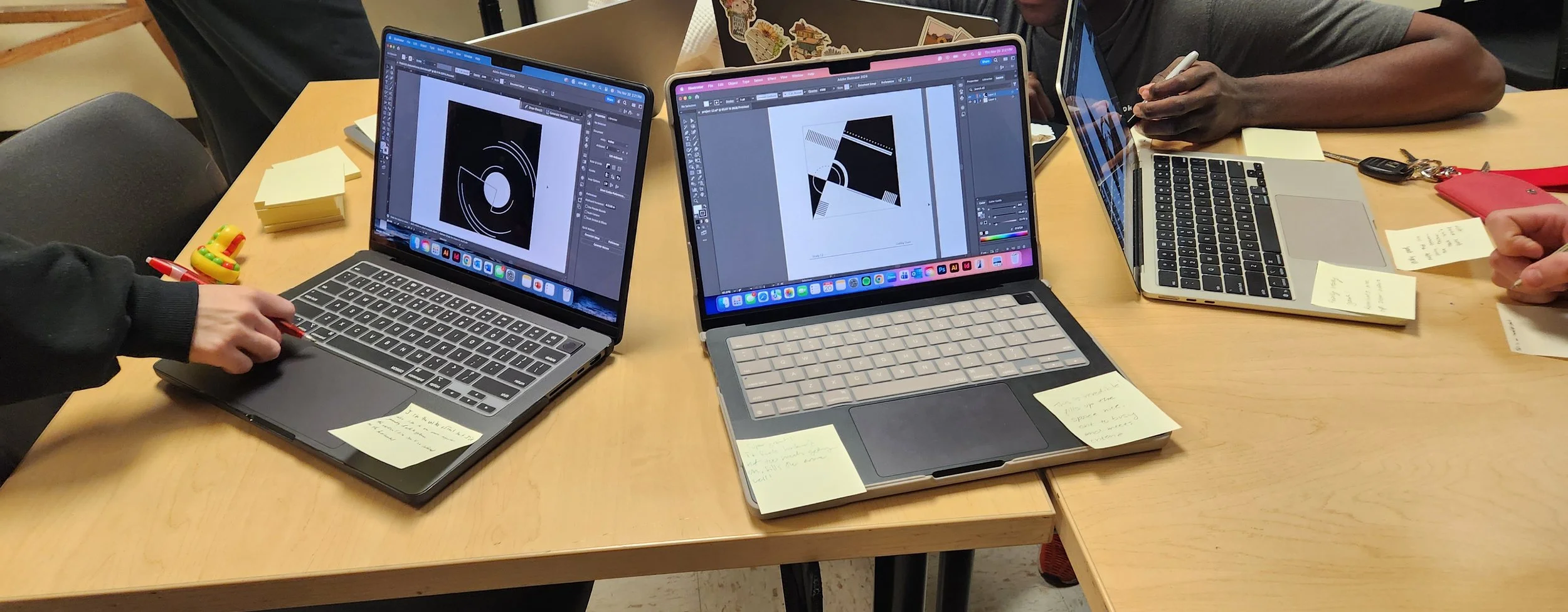
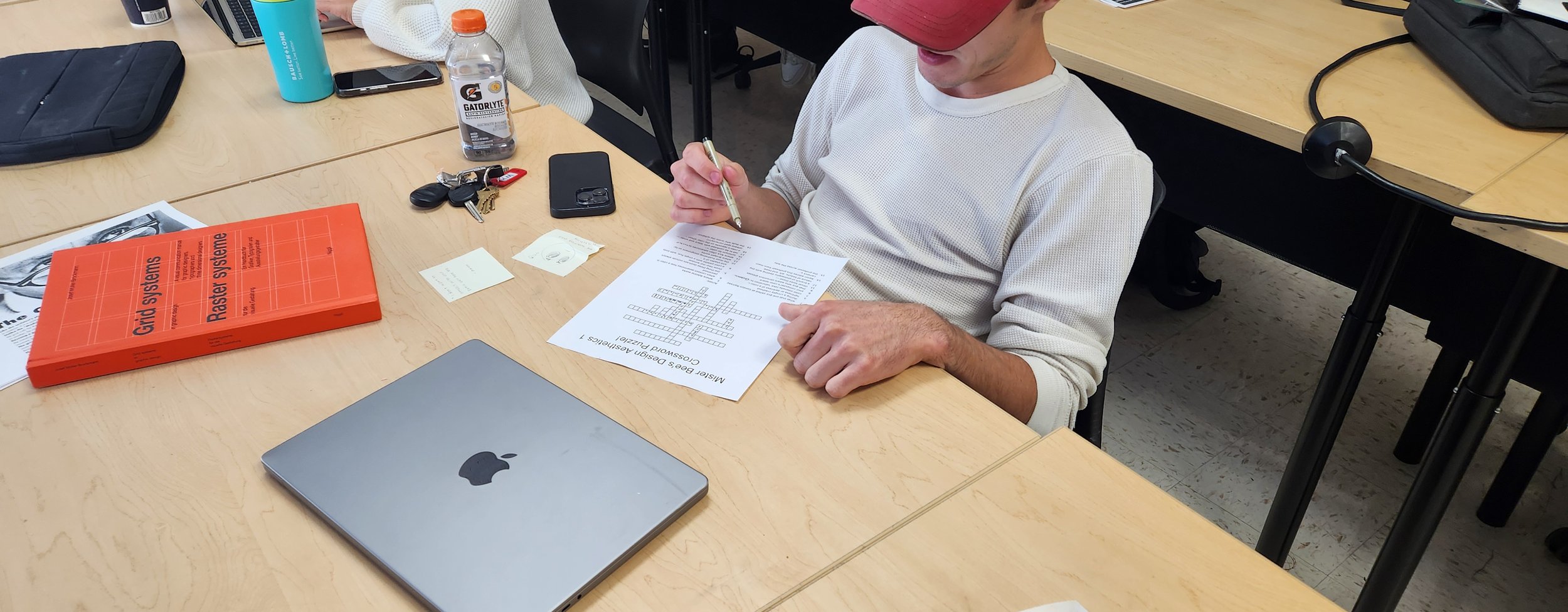
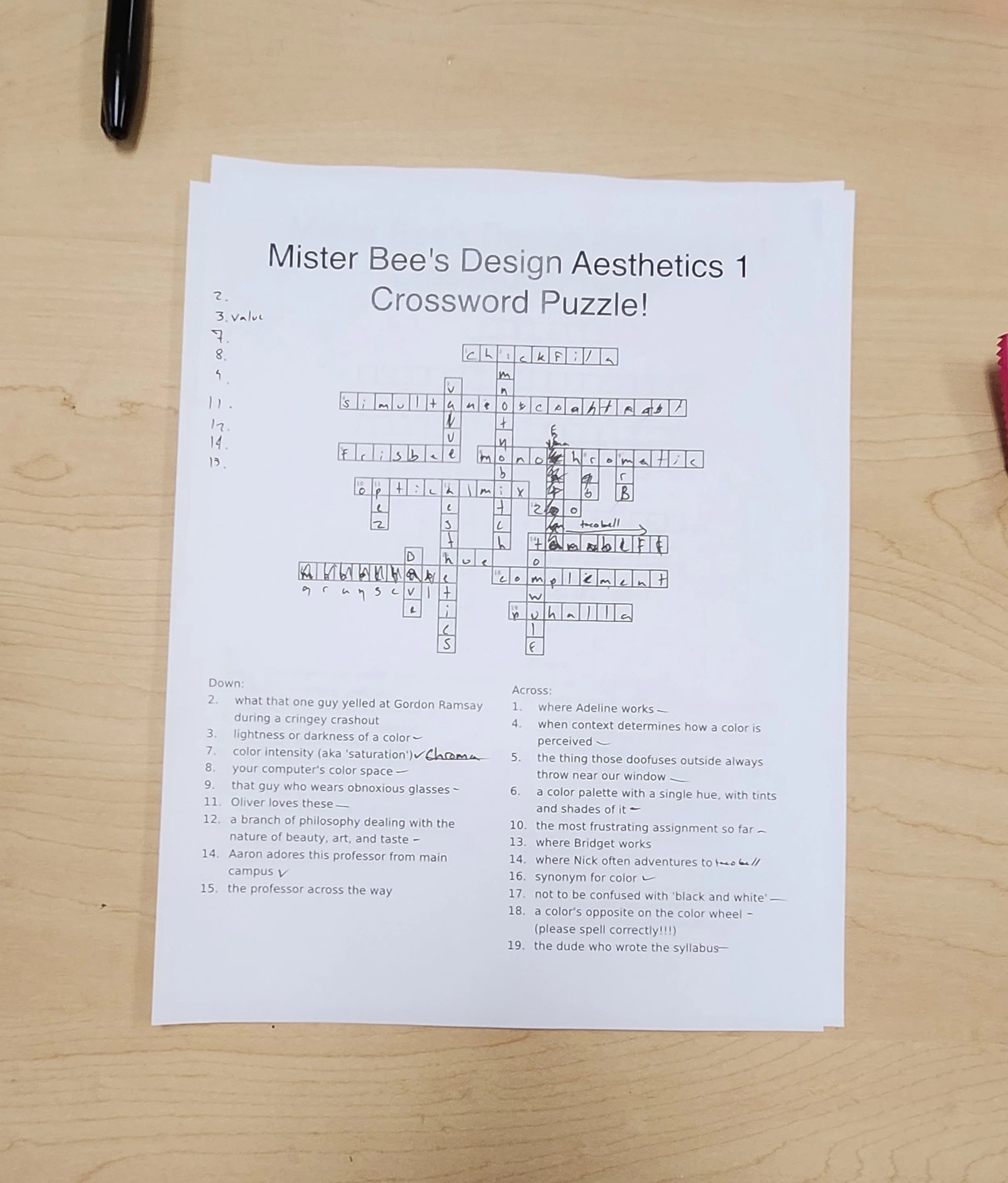








Student Work: Design Aesthetics 1 (CODE1010)
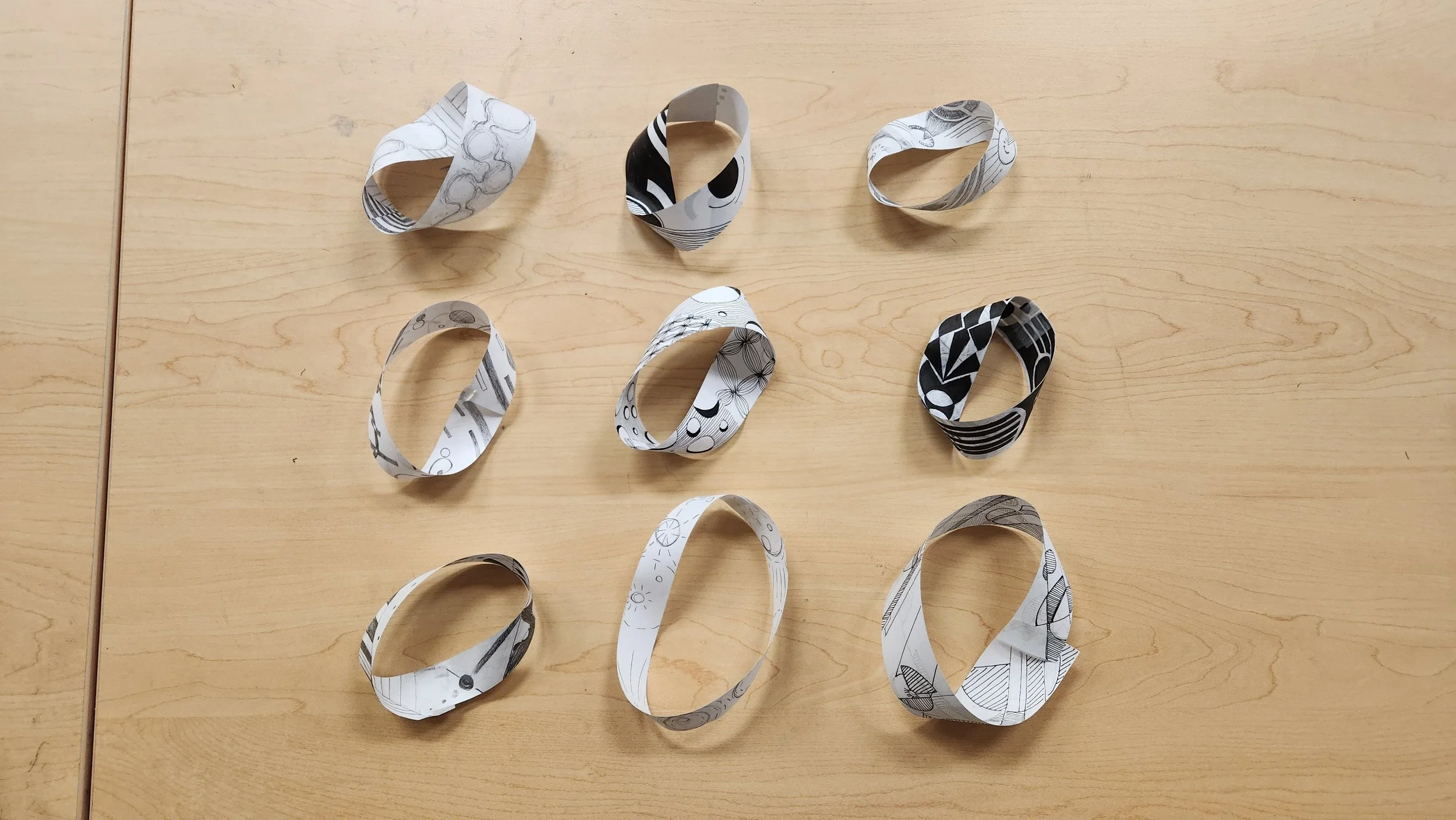
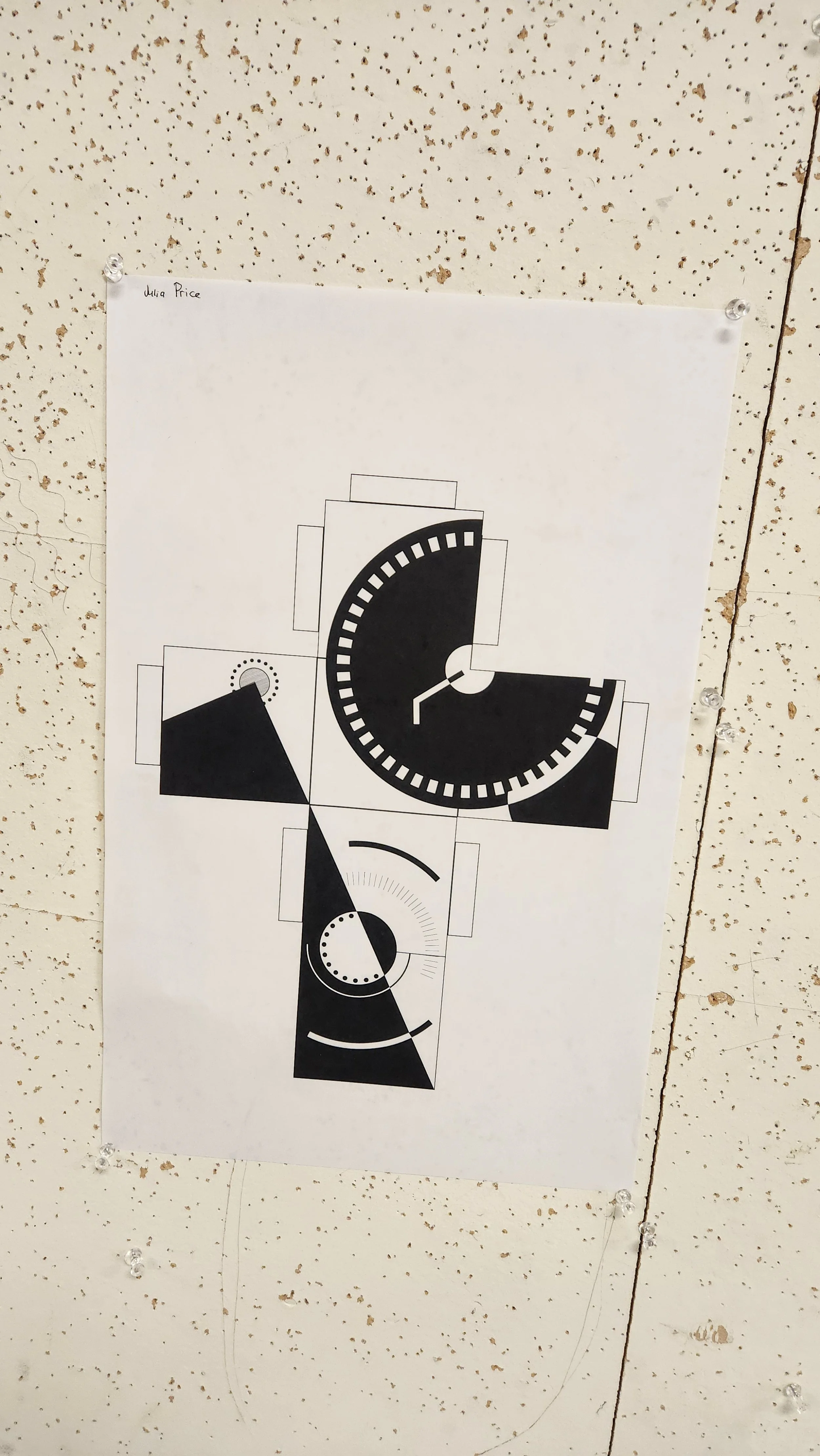
The purpose of this course is to introduce students to critical seeing and thinking in design aesthetics. With a focus on the core principles of order and structure, emphasis is placed on the theoretical and strategic organization of form and visual composition.

Final project in Design Aesthetics 1 (taught at UC Blue Ash)

Line and shape study in Design Aesthetics 1

Line and shape study in Design Aesthetics 1

Line and shape study in Design Aesthetics 1
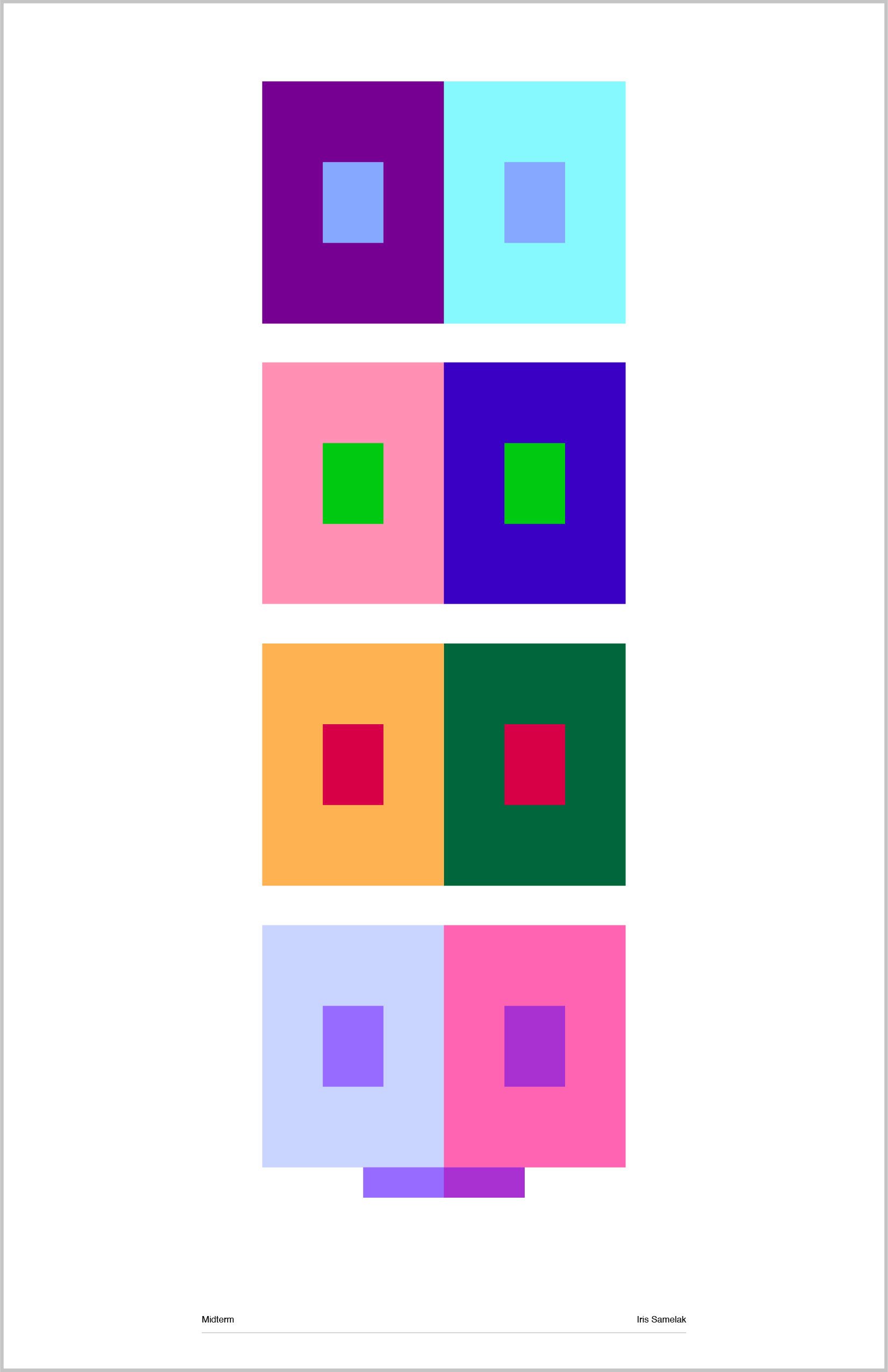
Simultaneous contrast illusion study in Design Aesthetics 1

Simultaneous contrast illusion study in Design Aesthetics 1

Simultaneous contrast illusion study in Design Aesthetics 1
Student Work: Design Aesthetics 2 (CODE1110)
Design Aesthetics 2 enhances the student’s strategic organization of form theory, visual composition, and communication design. The focus of the course strengthens the core principles of order, structure, and visual language design as related to the discipline of communication design uniting theory to application.

Haiku booklet design in Design Aesthetics 2 (taught at UC Blue Ash)

Form analysis image in Design Aesthetics 2

Form analysis process image in Design Aesthetics 2

Form analysis process image (with visible construction lines) in Design Aesthetics 2
Student Work: Design Aesthetics 3 - Computational Aesthetics (CODE2012)
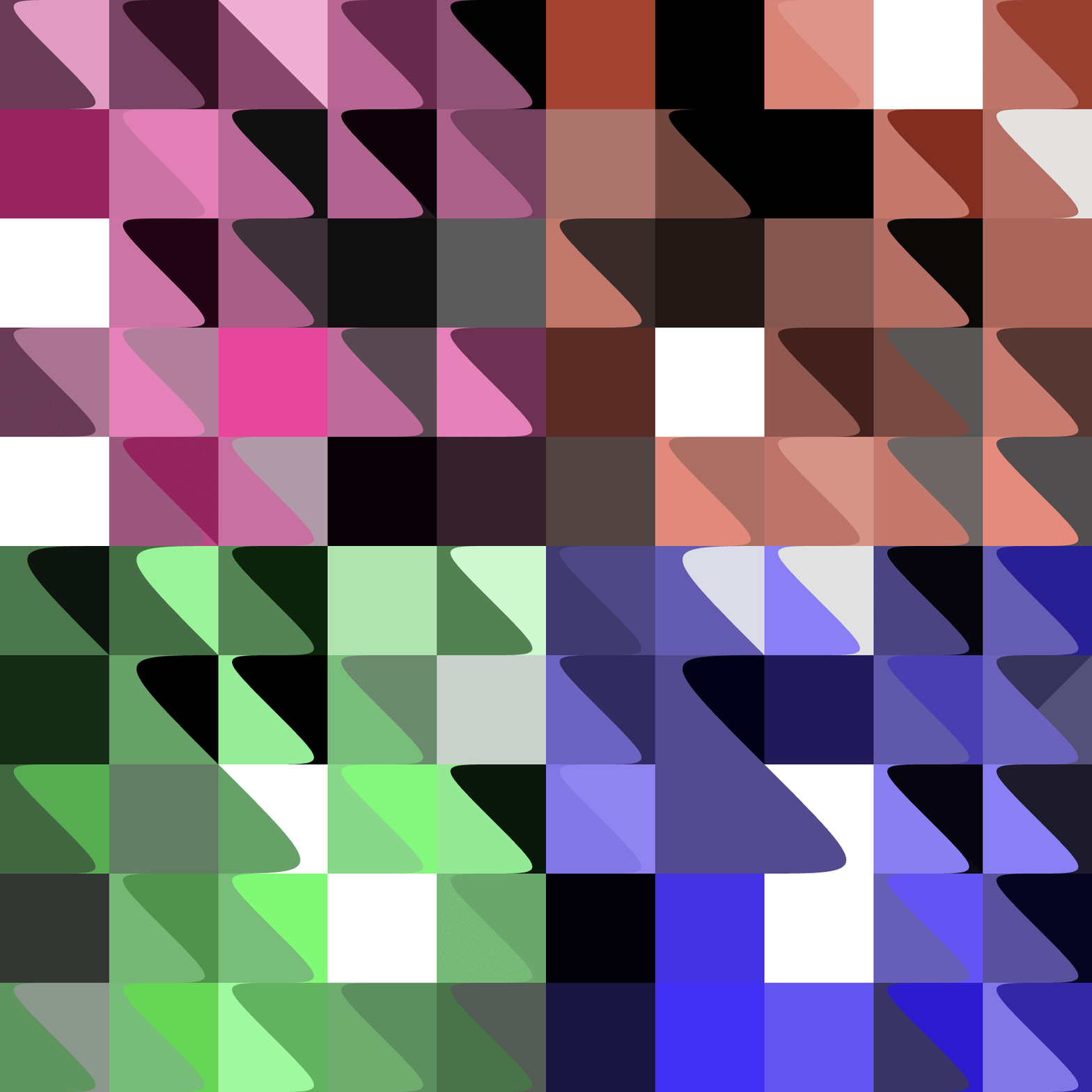
The focus of the course addresses core principles of interface design, simple interactivity, user-interface systems, object properties/states, affordance and feedback, and visual qualities. Emphasis is placed on managing multiple elements of a system in dynamic, animated environments.
Demo of clickable prototype in Design Aesthetics 3

Code snippet associated with this demo in Design Aesthetics 3

An image a student generated using p5.js in Design Aesthetics 3

An image a student generated using p5.js in Design Aesthetics 3

An image a student generated using p5.js in Design Aesthetics 3
Student Work: Design Drawing (CODE1000)
The emphasis of the course includes an introduction to technical, hand, and digital drawings. Applying aesthetic principles for the communication of conceptual ideas and image articulation, the purpose of this course is to provide the fundamental basis for design thinking, graphic translation and symbolic representation of images in a harmonic system of visual form.

Analytical study in Design Drawing

Line articulation study in Design Drawing

Light and shade study in Design Drawing

Icon study in Design Drawing

Graphic translation study in Design Drawing

Analytical study in Design Drawing

Light and shade study in Design Drawing

Icon study in Design Drawing

Line articulation study in Design Drawing

Graphic translation study in Design Drawing

Analytical study in Design Drawing

Line articulation study in Design Drawing

Light and shade study in Design Drawing

Icon study in Design Drawing

Graphic translation study in Design Drawing
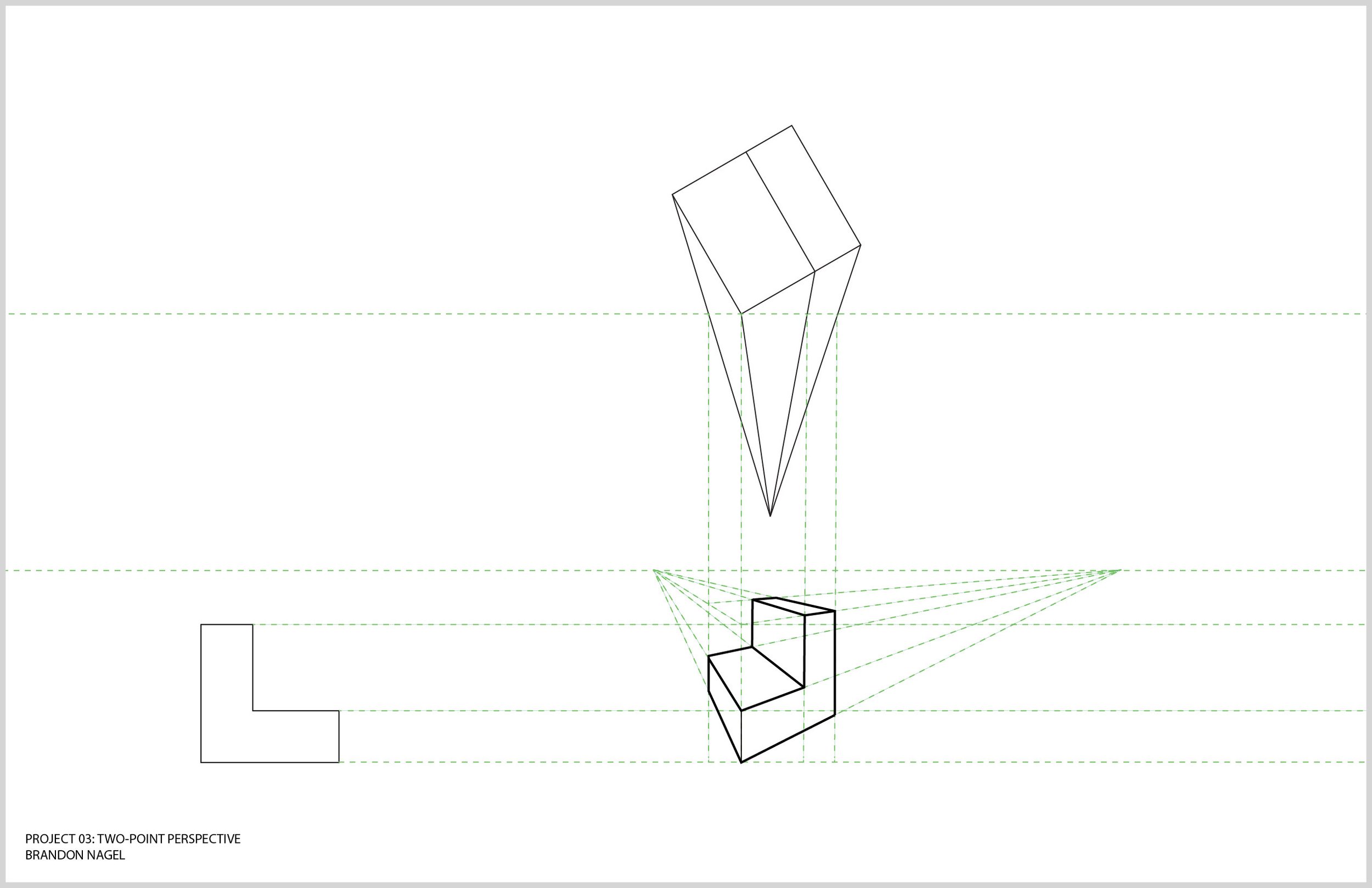
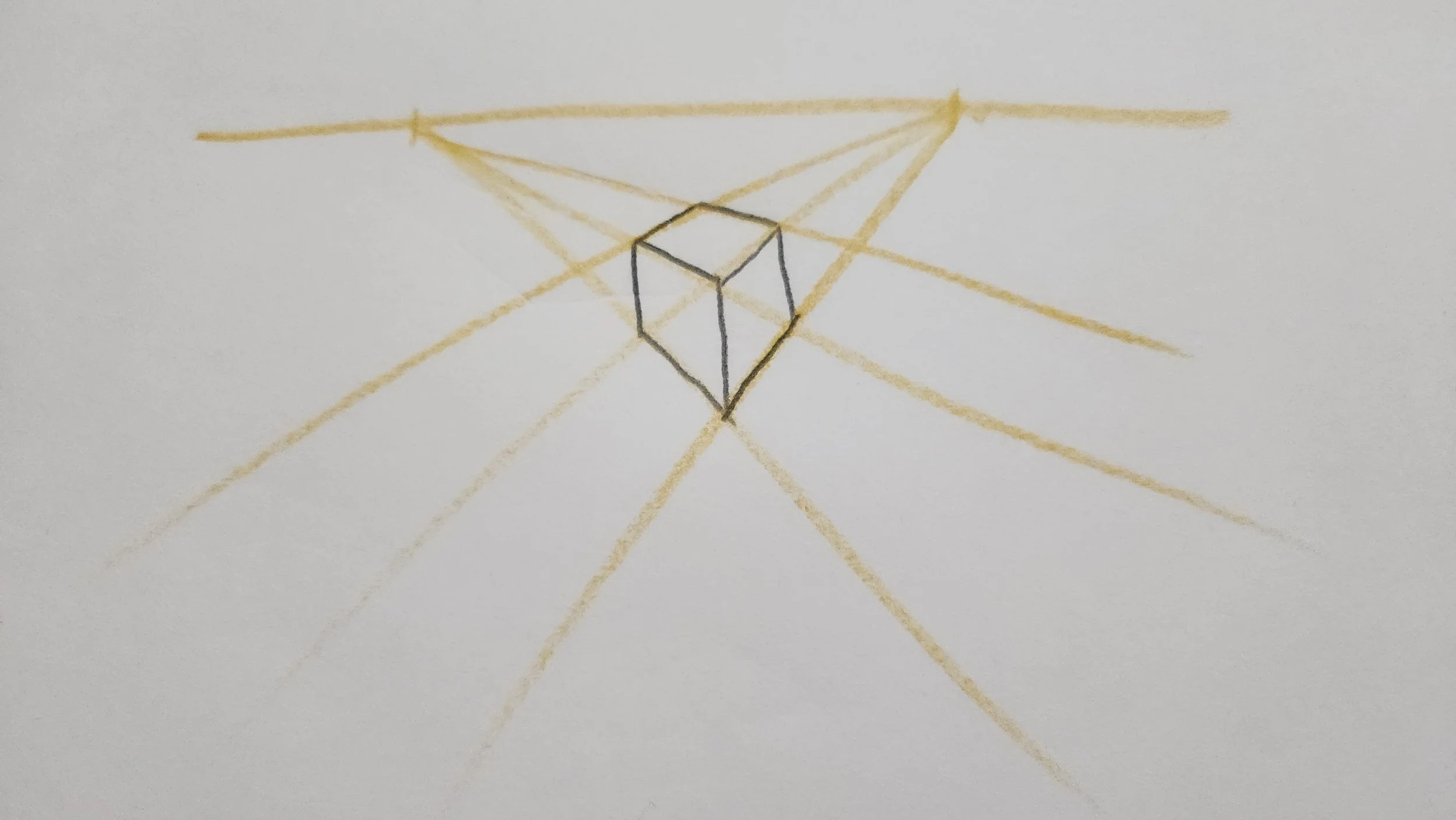
Two-point perspective study in Design Drawing

Orthographic study in Design Drawing

Isometric study in Design Drawing